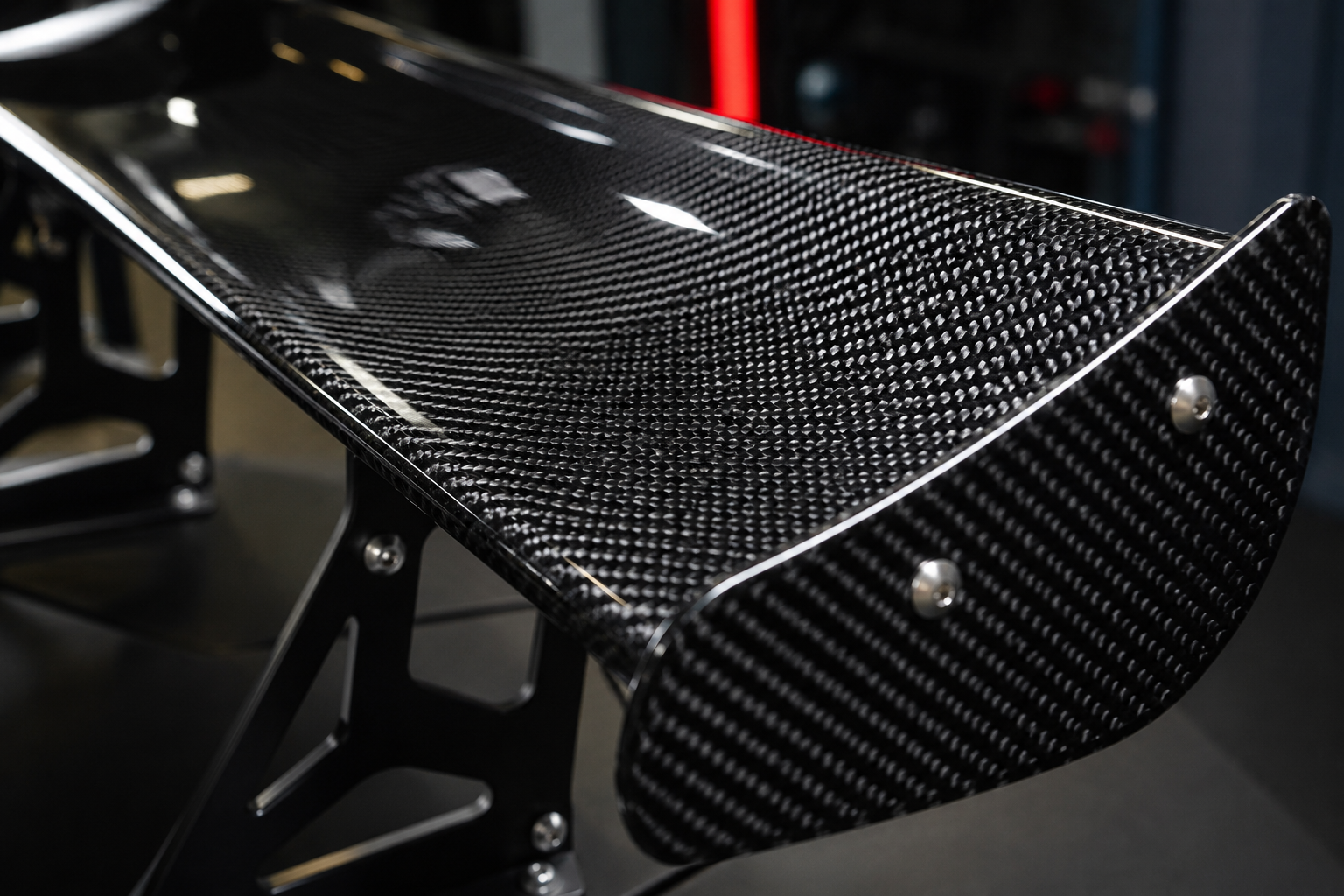
Why carbon fiber wings matter
Carbon fiber wings are more than visual upgrades. On a luxury performance car, they sit at the intersection of design, aerodynamics, materials engineering, and brand identity. For owners, restorers, body shops, and parts buyers, the right wing can change how a car looks, how it feels, and how closely it matches a desired specification.
In the luxury and exotic segment, every exterior part carries extra weight in the buying decision. A wing is highly visible, usually mounted at the rear, and often associated with track-focused models, special trims, or owner-selected performance packages. That means carbon fiber wings are often evaluated not only as replacement parts, but also as statement pieces. Buyers may be replacing a damaged original, completing a repair, restoring a car after previous modifications, or looking for a period-correct performance aesthetic. In each case, material quality, fitment, mounting condition, finish, and compatibility matter more than a quick visual match. A part can look right in photos but still require careful inspection before it belongs on a Ferrari, Lamborghini, Maserati, or Bentley.
How carbon fiber changes the part
Carbon fiber is valued because it offers a strong, lightweight structure with a distinctive woven appearance. Compared with many traditional materials, it can reduce unnecessary mass while still providing rigidity. That combination is especially attractive for exterior performance components, where weight, shape, and finish all influence the buyer’s perception of quality.
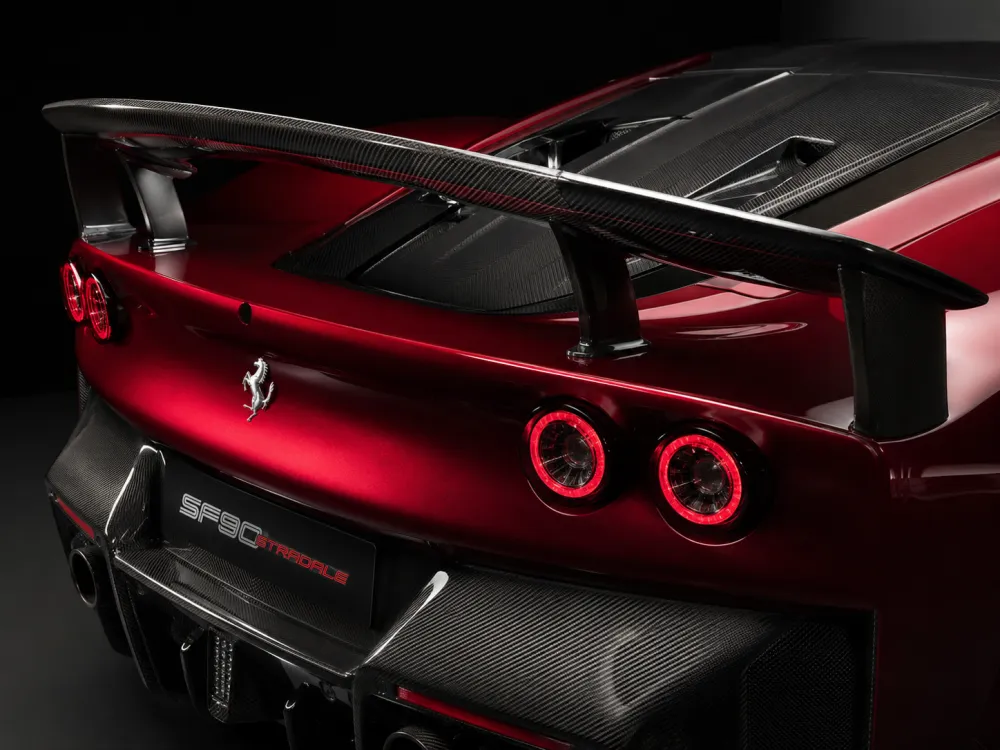
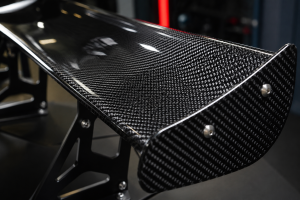
Carbon fiber wings also have a unique design language. The weave, the clear coat, the edge profile, and the mounting hardware all affect how premium the part feels. A glossy exposed-weave wing creates a different impression than a painted carbon component, even if both are built from the same underlying material. Some buyers want visible carbon because it signals performance and craftsmanship, while others prefer a painted finish that blends into the bodywork. Neither approach is automatically better. The right choice depends on the car, the build goal, and whether the buyer is prioritizing originality, performance styling, or a more customized appearance.
Weight and rigidity
The appeal of carbon fiber wings starts with the material’s balance of low weight and high stiffness. On performance cars, even exterior components are part of a larger conversation about balance, responsiveness, and engineering intent. A lighter part at the rear of the vehicle may not transform the car on its own, but it can support a broader lightweight build philosophy. For shops and professional buyers, this is often why carbon components are taken seriously: they are not just decorative, they are part of the language of high-performance vehicle construction.
Finish and weave
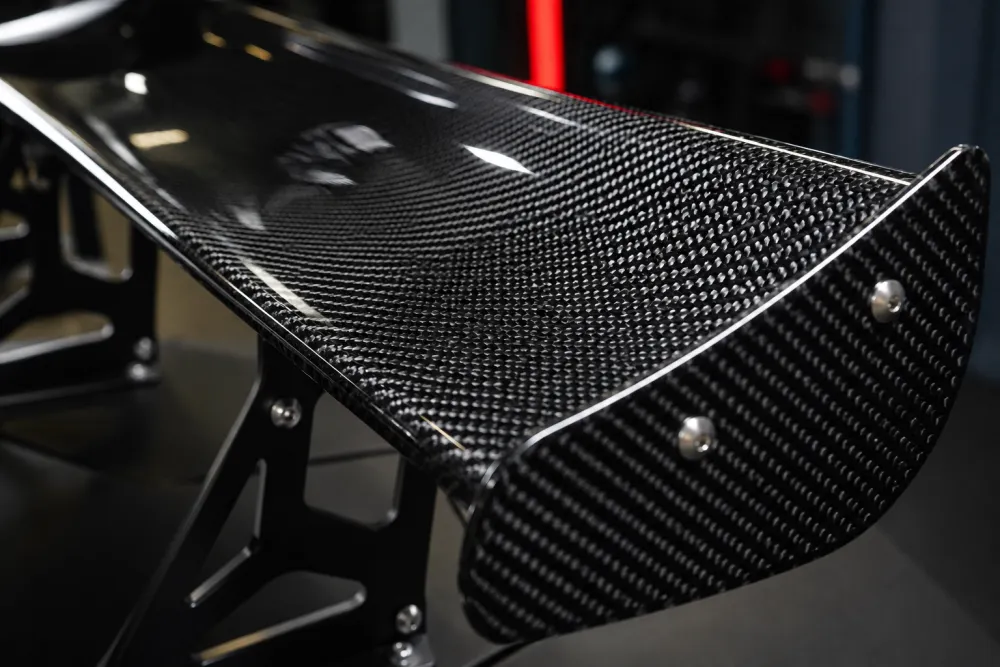
The finish is one of the first things buyers notice. A clean carbon weave, consistent gloss, smooth clear coat, and well-shaped edges can make the part feel refined. Clouding, cracking, deep scratches, uneven clear coat, or visible repair marks may not always make a part unusable, but they should influence price, expectations, and installation planning. Carbon fiber wings should be judged from multiple angles, especially around mounting points and corners where stress or previous handling may show.
Fitment should come first
Before buying, fitment should be treated as the main priority. Carbon fiber wings can vary significantly between models, years, trims, and special editions. Even two vehicles from the same brand may use different decklid shapes, mounting locations, wiring needs, reinforcement points, or aerodynamic packages. A wing that looks close may still require modification, and modification is not always desirable on a luxury car.
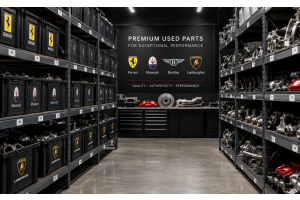
This is especially important when working with certified used luxury-car parts. The value of a used carbon component often comes from how cleanly it can return a car to the correct look and function without unnecessary fabrication. B2C buyers may be focused on restoring the appearance of their own vehicle, while B2B buyers may need dependable parts for collision repair, resale preparation, or specialist workshop projects. In both cases, carbon fiber wings should be checked against the vehicle identification, body style, rear deck design, and existing hardware. Buyers should also consider whether they need only the wing blade, the complete assembly, brackets, end plates, gaskets, fasteners, or related trim pieces.
Model and trim differences
Performance trims often use different exterior components from standard models. A wing may belong to a track-oriented edition, a factory carbon package, or a specific aerodynamic kit. That makes model research important. If you are browsing broader luxury-car inventory, start with relevant category and brand paths such as used luxury-car parts categories, Ferrari parts, Lamborghini parts, Maserati parts, and Bentley parts.
Mounting points and hardware
Mounting points deserve careful attention because they carry both visual and structural importance. Cracked mounting areas, missing brackets, stripped inserts, or altered holes can complicate installation. Carbon fiber wings may also need seals, bolts, support brackets, or trim covers that are easy to overlook when comparing listings. For a clean installation, the buyer should understand what is included and what must be sourced separately.
Used carbon components and value
Used carbon components can be attractive because they may offer access to premium parts at a more practical price point than new replacements. In the luxury segment, original or high-quality used parts can also help maintain the correct visual character of the car. For many buyers, the goal is not simply to add carbon fiber; it is to use the right carbon fiber in the right place.
Carbon fiber wings can hold strong appeal in the used parts market because they are both functional-looking and visually dominant. A clean used wing may help a damaged vehicle return to its intended appearance, support a performance-inspired build, or complete an exterior conversion. However, value depends on condition. A part with intact weave, good gloss, clean mounting points, and no obvious structural damage will usually be easier to justify than one that needs extensive refinishing. Buyers should also remember that carbon repair and refinishing require skill. A minor clear-coat issue may be manageable, but deeper delamination, impact damage, or distorted mounting surfaces can become expensive quickly. That is why detailed photos, accurate part identification, and careful inspection are so important before purchase.
Choosing the right source
When sourcing carbon fiber wings, buyers should look beyond the basic keyword match. Search results can help locate inventory, but the final decision should be based on compatibility, condition, included hardware, and the intended use of the vehicle. A wing for a road-focused luxury coupe may not suit the same buyer as a wing intended for a track-style build.

A helpful approach is to begin broad, then narrow down by brand, model, and part type. You can explore available dismantled vehicles at dismantled luxury vehicles to understand which cars may be contributing parts, or use a focused search such as carbon fiber wings search results when you want to look directly for matching inventory. If fitment is uncertain, it is better to verify before buying than to assume based on appearance alone. For part-specific questions, contacting the parts team can help clarify compatibility, availability, or what is included with a listed component.
Questions buyers should ask
Before purchasing, ask whether the wing is original equipment, aftermarket, painted, exposed carbon, repaired, refinished, or sold with hardware. Ask for details on mounting points and visible condition. Ask whether any related trim pieces are included. These questions are simple, but they can prevent expensive installation issues.
Final thoughts
Carbon fiber wings are among the most recognizable exterior upgrades and replacement parts in the luxury performance world. They combine visual drama with material sophistication, and they can help define the rear profile of a Ferrari, Lamborghini, Maserati, Bentley, or another high-end vehicle. For private owners, the right wing can restore confidence in the look of the car. For shops and professional buyers, the right part can make a repair or build more efficient.
The key is to treat carbon fiber wings as precision components, not generic accessories. Check the model, year, trim, finish, mounting points, included hardware, and condition before making a decision. When chosen carefully, a used carbon fiber wing can deliver the premium appearance and performance-inspired presence buyers expect from the luxury-car segment.