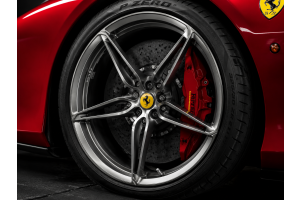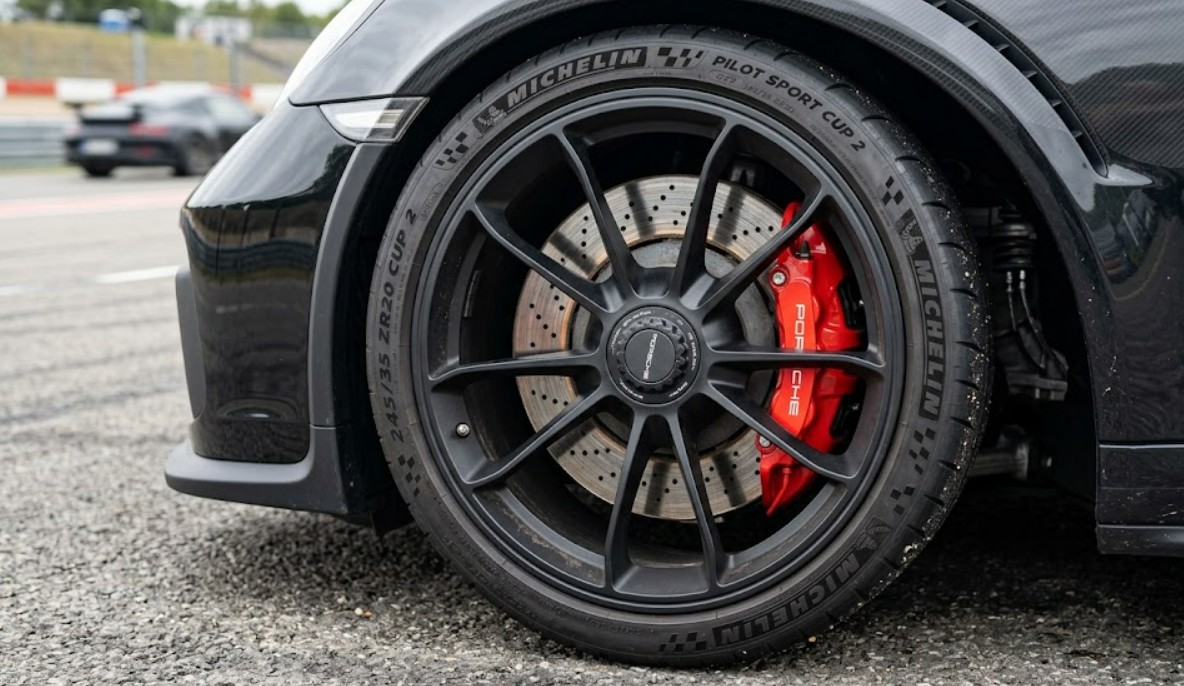
Close-up of a sports car wheel
Exotic Car Parts for Luxury Vehicle Repairs

Finding the right part for a rare vehicle

Owning, repairing, or reselling a high-end vehicle comes with a different level of responsibility. A Ferrari, Lamborghini, Maserati, Bentley, or similar luxury model is not built around generic expectations, and the parts that keep it performing well often need to match exact fitment, trim, model year, and condition standards. That is why buyers often look carefully at the used market before choosing between new components, recycled components, and certified used exotic car parts. The goal is not simply to find something that looks similar. The goal is to find a part that fits the vehicle, supports the repair, and preserves the character of the car.

For many buyers, exotic car parts are about access. Some components are difficult to source new, especially for older models, limited production vehicles, or cars with specialized interior, exterior, drivetrain, or body components.

Why certified used parts make sense

Certified used exotic car parts can be a practical choice when the buyer wants quality, availability, and cost control in the same purchase decision. A private owner may need a replacement panel, wheel, lighting component, interior trim piece, or mechanical part after an accident or restoration issue. A repair shop may need dependable sourcing for a customer vehicle that cannot sit in a bay for weeks while a new part is backordered. A reseller or specialist may be looking for luxury-car parts that can support ongoing projects without tying up unnecessary cash in new inventory.
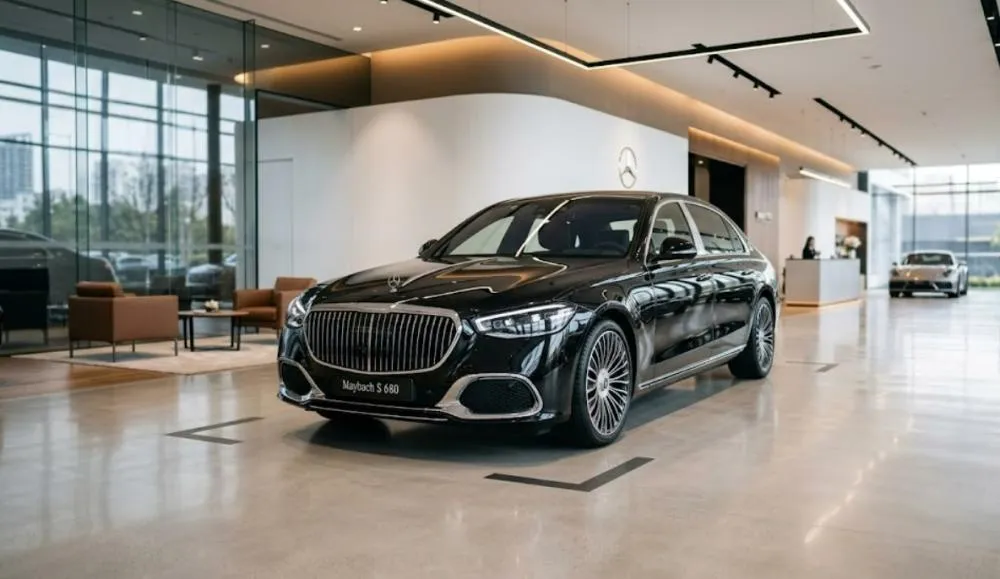
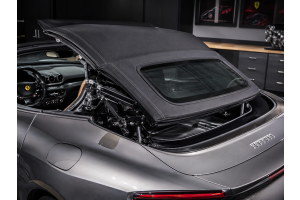
Luxury car parked in a clean showroom

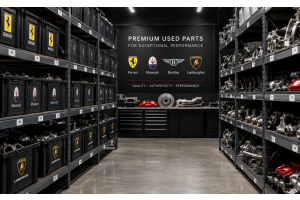
The appeal is especially clear when the part comes from a known vehicle source. Dismantled luxury cars can provide genuine components that were originally designed for the vehicle platform, rather than aftermarket substitutes that may require additional work or compromise the finished result. Buyers can explore available donor vehicles through dismantled vehicles when they want to understand where parts may be coming from and what types of models are being processed.

Used does not automatically mean low quality. In this category, it often means a carefully selected original component that still has useful life and can support a premium repair.

What buyers should check before ordering

Fitment first

Fitment is the most important detail when shopping for exotic car parts. A component may look correct in photos but still differ by year, submodel, market specification, trim package, sensor configuration, mounting points, material, or finish. This is especially true for luxury cars because small production changes can affect compatibility. A bumper, grille, wheel, carbon fiber component, suspension part, or electronic module may have more than one version across a model generation. Before ordering, buyers should compare part numbers where available, confirm the exact model and year, review photos closely, and contact the seller if there is any uncertainty.

For shops, this step is even more important because fitment mistakes create delays, additional labor, and customer frustration. Taking time upfront usually saves time later.

Condition and finish

Condition matters because luxury-car parts are judged not only by function but also by presentation. Exterior components should be reviewed for cracks, scratches, broken tabs, paint condition, carbon fiber weave condition, and previous repairs. Interior components should be checked for wear, discoloration, broken clips, stitching issues, or finish differences. Mechanical and electronic components should be assessed based on application, mileage when known, visual condition, and the level of verification provided by the seller. When buying exotic car parts online, detailed images and clear communication are valuable because they help the buyer understand what is being purchased before the part ships.
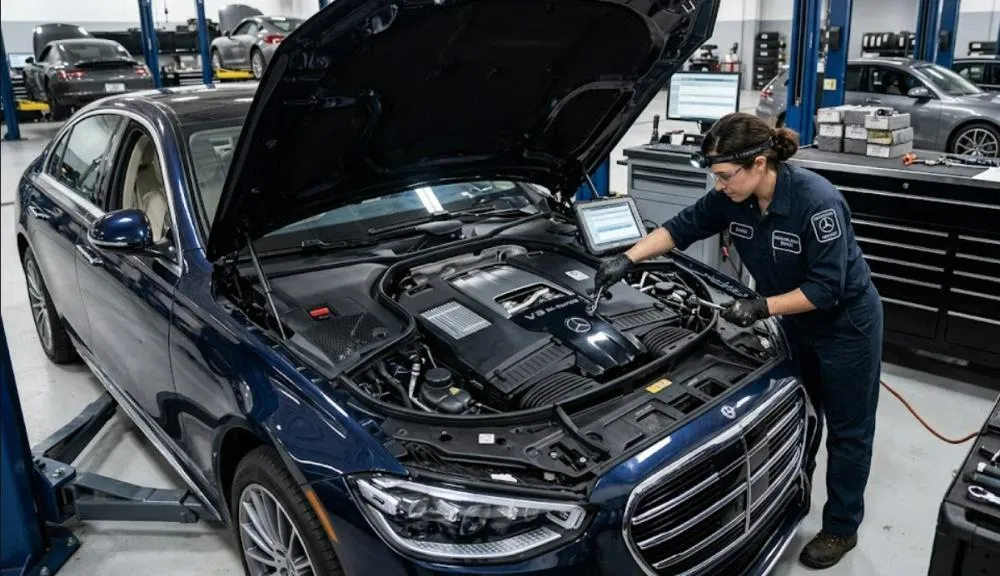
Mechanic working on a luxury vehicle

A used part does not need to be cosmetically perfect to be valuable. Sometimes the right part only needs to be structurally sound, refinishable, or suitable for a repair where repainting and reconditioning are already planned.

Popular categories for luxury repairs

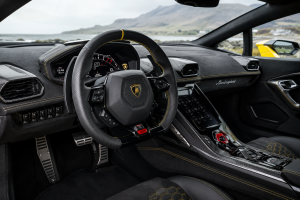
Different buyers search for different types of exotic car parts depending on the vehicle and the repair goal. Collision shops often need body panels, bumpers, fenders, doors, hoods, mirrors, lighting, wheels, and structural exterior pieces. Enthusiasts may search for interior trim, carbon fiber details, steering wheels, seats, consoles, and upgrade-friendly components. Mechanical specialists may need suspension pieces, cooling parts, drivetrain components, exhaust pieces, engine accessories, or modules tied to specific luxury platforms. A broader view of available part types can start at the main parts categories page.

Brand-specific sourcing can also make the search more efficient. Buyers working on Italian performance cars may want to browse Ferrari parts, Maserati parts, or Lamborghini parts. For grand touring and ultra-luxury repair needs, Bentley parts may be the better starting point. Searching by brand helps narrow the field and reduces the risk of comparing parts from unrelated platforms.

When appearance parts deserve extra attention

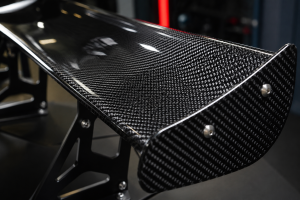
Luxury vehicles rely heavily on visual precision. A wheel, carbon fiber piece, diffuser, grille, mirror cap, or interior trim component can change the entire impression of the vehicle. For that reason, appearance-related exotic car parts deserve close review before purchase. Buyers should compare finish, shape, mounting style, surface condition, and whether the part is intended for the same model variant. A carbon fiber wheel, for example, may need careful review for size, pattern, wear, and compatibility with the vehicle’s setup. A targeted search such as exotic car parts search can help buyers start with a focused query and refine from there.

This is one of the areas where photos are especially important. A small cosmetic mismatch may not affect drivability, but it can affect resale value, customer satisfaction, and the finished look of a premium repair.

Buying for personal use or business needs

B2C and B2B buyers often approach exotic car parts differently, but they usually care about the same fundamentals. A private owner may be emotionally attached to the vehicle and want the repair to feel authentic. A shop or dealer may be focused on cycle time, margin, repeatable sourcing, and making sure the customer gets a result that matches the vehicle’s value. In both cases, the part has to make sense from a fitment, condition, availability, and cost perspective.
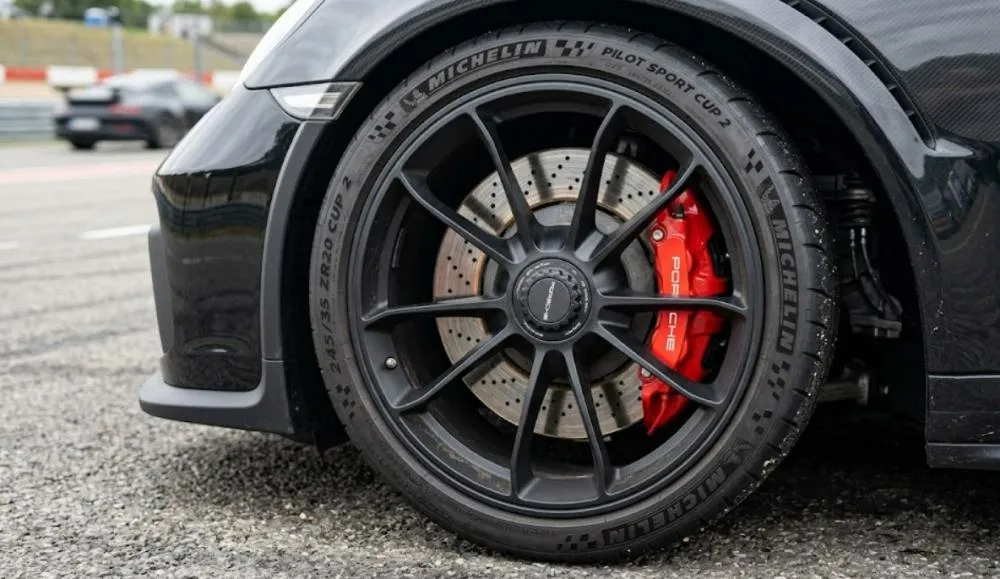
Close-up of a sports car wheel

For businesses, consistency matters. A dependable source of certified used luxury-car parts can support estimates, reduce sourcing friction, and make it easier to complete repairs for vehicles that require specialized components. For individual owners, the value is often in finding a part that keeps the car closer to its original design without paying for a new component when a suitable used option exists. Exotic car parts sit at the intersection of performance, craftsmanship, rarity, and practicality, which is why informed buying is so important.

How to shop with confidence

The best way to shop is to treat every part as a fitment and condition decision, not just a price decision. Start with the vehicle’s exact year, make, model, trim, and relevant part number if available. Compare images carefully. Look for signs of damage, refinishing, missing hardware, or differences from the part currently on the vehicle. Ask questions before purchasing if the listing does not answer something important. For complex repairs, shops may want to document compatibility before quoting final labor or completion timelines.

When a buyer is unsure, it is better to ask than guess. The contact page is the right place to start a conversation about part details, compatibility, or availability. With the right process, exotic car parts can help keep rare and desirable vehicles on the road while supporting repairs that feel considered, efficient, and appropriate for the value of the car.

Image placeholders

Order any in stock part within -- hrs -- mins -- secs for shipping within this time

Exotic Car Parts for Luxury Vehicle Repairs

Close-up of a sports car wheel
Exotic Car Parts for Luxury Vehicle Repairs

Finding the right part for a rare vehicle

Owning, repairing, or reselling a high-end vehicle comes with a different level of responsibility. A Ferrari, Lamborghini, Maserati, Bentley, or similar luxury model is not built around generic expectations, and the parts that keep it performing well often need to match exact fitment, trim, model year, and condition standards. That is why buyers often look carefully at the used market before choosing between new components, recycled components, and certified used exotic car parts. The goal is not simply to find something that looks similar. The goal is to find a part that fits the vehicle, supports the repair, and preserves the character of the car.

For many buyers, exotic car parts are about access. Some components are difficult to source new, especially for older models, limited production vehicles, or cars with specialized interior, exterior, drivetrain, or body components.

Why certified used parts make sense

Certified used exotic car parts can be a practical choice when the buyer wants quality, availability, and cost control in the same purchase decision. A private owner may need a replacement panel, wheel, lighting component, interior trim piece, or mechanical part after an accident or restoration issue. A repair shop may need dependable sourcing for a customer vehicle that cannot sit in a bay for weeks while a new part is backordered. A reseller or specialist may be looking for luxury-car parts that can support ongoing projects without tying up unnecessary cash in new inventory.

Luxury car parked in a clean showroom

The appeal is especially clear when the part comes from a known vehicle source. Dismantled luxury cars can provide genuine components that were originally designed for the vehicle platform, rather than aftermarket substitutes that may require additional work or compromise the finished result. Buyers can explore available donor vehicles through dismantled vehicles when they want to understand where parts may be coming from and what types of models are being processed.

Used does not automatically mean low quality. In this category, it often means a carefully selected original component that still has useful life and can support a premium repair.

What buyers should check before ordering

Fitment first

Fitment is the most important detail when shopping for exotic car parts. A component may look correct in photos but still differ by year, submodel, market specification, trim package, sensor configuration, mounting points, material, or finish. This is especially true for luxury cars because small production changes can affect compatibility. A bumper, grille, wheel, carbon fiber component, suspension part, or electronic module may have more than one version across a model generation. Before ordering, buyers should compare part numbers where available, confirm the exact model and year, review photos closely, and contact the seller if there is any uncertainty.

For shops, this step is even more important because fitment mistakes create delays, additional labor, and customer frustration. Taking time upfront usually saves time later.

Condition and finish

Condition matters because luxury-car parts are judged not only by function but also by presentation. Exterior components should be reviewed for cracks, scratches, broken tabs, paint condition, carbon fiber weave condition, and previous repairs. Interior components should be checked for wear, discoloration, broken clips, stitching issues, or finish differences. Mechanical and electronic components should be assessed based on application, mileage when known, visual condition, and the level of verification provided by the seller. When buying exotic car parts online, detailed images and clear communication are valuable because they help the buyer understand what is being purchased before the part ships.

Mechanic working on a luxury vehicle

A used part does not need to be cosmetically perfect to be valuable. Sometimes the right part only needs to be structurally sound, refinishable, or suitable for a repair where repainting and reconditioning are already planned.

Popular categories for luxury repairs

Different buyers search for different types of exotic car parts depending on the vehicle and the repair goal. Collision shops often need body panels, bumpers, fenders, doors, hoods, mirrors, lighting, wheels, and structural exterior pieces. Enthusiasts may search for interior trim, carbon fiber details, steering wheels, seats, consoles, and upgrade-friendly components. Mechanical specialists may need suspension pieces, cooling parts, drivetrain components, exhaust pieces, engine accessories, or modules tied to specific luxury platforms. A broader view of available part types can start at the main parts categories page.

Brand-specific sourcing can also make the search more efficient. Buyers working on Italian performance cars may want to browse Ferrari parts, Maserati parts, or Lamborghini parts. For grand touring and ultra-luxury repair needs, Bentley parts may be the better starting point. Searching by brand helps narrow the field and reduces the risk of comparing parts from unrelated platforms.

When appearance parts deserve extra attention

Luxury vehicles rely heavily on visual precision. A wheel, carbon fiber piece, diffuser, grille, mirror cap, or interior trim component can change the entire impression of the vehicle. For that reason, appearance-related exotic car parts deserve close review before purchase. Buyers should compare finish, shape, mounting style, surface condition, and whether the part is intended for the same model variant. A carbon fiber wheel, for example, may need careful review for size, pattern, wear, and compatibility with the vehicle’s setup. A targeted search such as exotic car parts search can help buyers start with a focused query and refine from there.

This is one of the areas where photos are especially important. A small cosmetic mismatch may not affect drivability, but it can affect resale value, customer satisfaction, and the finished look of a premium repair.

Buying for personal use or business needs

B2C and B2B buyers often approach exotic car parts differently, but they usually care about the same fundamentals. A private owner may be emotionally attached to the vehicle and want the repair to feel authentic. A shop or dealer may be focused on cycle time, margin, repeatable sourcing, and making sure the customer gets a result that matches the vehicle’s value. In both cases, the part has to make sense from a fitment, condition, availability, and cost perspective.

Close-up of a sports car wheel

For businesses, consistency matters. A dependable source of certified used luxury-car parts can support estimates, reduce sourcing friction, and make it easier to complete repairs for vehicles that require specialized components. For individual owners, the value is often in finding a part that keeps the car closer to its original design without paying for a new component when a suitable used option exists. Exotic car parts sit at the intersection of performance, craftsmanship, rarity, and practicality, which is why informed buying is so important.

How to shop with confidence

The best way to shop is to treat every part as a fitment and condition decision, not just a price decision. Start with the vehicle’s exact year, make, model, trim, and relevant part number if available. Compare images carefully. Look for signs of damage, refinishing, missing hardware, or differences from the part currently on the vehicle. Ask questions before purchasing if the listing does not answer something important. For complex repairs, shops may want to document compatibility before quoting final labor or completion timelines.

When a buyer is unsure, it is better to ask than guess. The contact page is the right place to start a conversation about part details, compatibility, or availability. With the right process, exotic car parts can help keep rare and desirable vehicles on the road while supporting repairs that feel considered, efficient, and appropriate for the value of the car.

Image placeholders

Previous Ferrari Ornament Guide for Luxury Car Buyers
Next Premium Parts for Luxury Cars | Used OEM Guide
Comment(s)