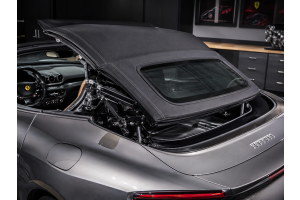
Luxury sports car parked in a clean workshop
Ferrari pistons: used performance parts guide

Why ferrari pistons matter

Ferrari pistons sit at the center of one of the most demanding environments in a performance engine. They help convert combustion force into motion, and in a luxury or exotic car, that work happens under high heat, tight tolerances, and serious expectations. For an enthusiast, a repair shop, or a parts reseller, the piston is not just another metal component; it is a precision part that can affect compression, smoothness, reliability, and the overall character of the engine.

When buyers search for ferrari pistons, they are often trying to solve a very specific problem. A customer may be rebuilding a damaged engine, replacing worn components, restoring a rare model, or sourcing hard-to-find parts for a workshop job that cannot wait on uncertain backorders. B2B buyers may also be comparing used engine parts for inventory, margin, lead time, and confidence in fitment. B2C buyers usually care about restoring performance without overpaying for unnecessary new components. In both cases, the goal is the same: understand the part, verify the details, and buy with discipline.

Close-up of a luxury sports car engine bay for an article about ferrari pistons

How pistons work

In a combustion engine, each piston moves up and down inside a cylinder. As the air-fuel mixture ignites, pressure pushes the piston downward, and that movement is transferred through the connecting rod to the crankshaft. The piston must seal effectively, manage heat, and withstand repeated force thousands of times per minute. That is why ferrari pistons require careful attention to material, wear, skirt condition, ring lands, and compatibility with the exact engine family.

Even a visually simple piston can tell a detailed story. Carbon marks, scuffing, pitting, discoloration, or unusual wear patterns may point to overheating, detonation, oiling issues, or prior engine stress. That does not automatically mean a used piston is unusable, but it does mean inspection matters. A used luxury-car part should be evaluated as a component with history, not as a generic replacement. For professional buyers, the value is often in knowing which signs are normal for a dismantled engine and which signs should trigger further measurement or rejection. For private owners, the value is in asking the right questions before purchase.

Common buying scenarios

There are several reasons someone may look for ferrari pistons instead of a full engine assembly. Sometimes only one cylinder has suffered damage. Sometimes a specialist shop is building a repair quote and wants to compare part availability before committing to the job. In restoration work, matching the correct generation and specification may matter more than simply finding a similar-looking part. For resellers, the appeal can be in stocking components that serve a narrow but valuable demand.

Used parts can also support a more practical repair strategy. If the surrounding engine components are serviceable, replacing only the required pieces may be more efficient than purchasing a larger assembly. That said, pistons should not be chosen casually. They interact with rings, pins, rods, cylinder walls, and compression geometry. One mismatch can create problems that are expensive to correct later. Before ordering, buyers should compare engine code, model year, bore size, part markings, and any available photos or documentation.

What to check before buying

Before choosing ferrari pistons, start with fitment. The word “Ferrari” is not enough, and even the model name may not be enough. Engines can vary by year, market, trim, update, and internal specification. A piston that appears correct in a photo may still be wrong for the application if the bore, compression height, valve reliefs, wrist pin size, or ring groove design differs. This is especially important for shops serving customers who expect a luxury repair experience, because the cost of a mistaken part is rarely limited to the part itself. Delays, rework, customer frustration, and lost bay time can all follow a poor sourcing decision. For that reason, the safest buying process is methodical: identify the vehicle, confirm the engine, compare the original part, review the used component, and ask for support when details are unclear.

Condition comes next. Look for clean, detailed photos from multiple angles, including the crown, skirt, pin bosses, and ring lands. Ask whether the part came from a dismantled vehicle or a disassembled engine, and whether related components are available. Some buyers prefer sourcing from documented dismantled vehicles because it can make the broader part history easier to understand. You can browse available dismantled inventory through dismantled vehicles, or review broader luxury-car part categories at Spares USA categories.

Inspection signals

Useful inspection signals include even wear, intact ring grooves, no visible cracking, and no obvious deformation. Heavy scoring on the skirt, broken lands, melted edges, or signs of severe detonation should be treated with caution. Measurements matter as much as visuals, especially for ferrari pistons intended for a rebuild where clearances are critical.

Buyers should also think about the parts around the piston. Rings may need replacement, cylinder walls may need inspection or machining, and rods or wrist pins may need verification. A piston is part of a system, so the best sourcing decision considers the full repair plan rather than the isolated component.

Mechanic inspecting used engine components on a workbench

Sourcing used ferrari engine parts

The used luxury-parts market rewards precision. A buyer searching for ferrari pistons may also be comparing complete engine assemblies, cylinder heads, rods, crankshafts, or related hardware. The right path depends on the damage, budget, timeline, and confidence in the existing engine. A single piston may be enough for a targeted repair, while a larger component package may make sense if the engine has broader internal wear. For Ferrari-specific browsing, start with the Ferrari parts page. You can also search directly for related listings using ferrari pistons.

For B2B buyers, consistency is often as important as price. A shop or reseller needs parts that can be described clearly to its own customers, matched to the correct application, and delivered with enough information to support confident installation planning. For B2C buyers, the decision is often more emotional. A Ferrari is usually more than transportation; it is a car people care about, talk about, store carefully, and want to return to the road properly. That makes the buying process feel personal, even when the part is technical. Good sourcing balances that aspiration with practical discipline. The part should fit, the condition should make sense, and the buyer should understand what is included.

Related exotic platforms

Many buyers who work with Ferrari components also handle other exotic and luxury platforms. Comparing availability across brands can help shops plan inventory and help owners understand the broader used-parts market. Relevant pillar pages include Maserati parts, Lamborghini parts, and Bentley parts.

These brands are different mechanically, but the sourcing mindset is similar. Confirm the vehicle. Confirm the component. Review condition. Avoid assumptions based on appearance alone. When the part is going into a high-value car, small details deserve attention.

Questions to ask

Before purchasing ferrari pistons, prepare a short checklist. What exact model and year is the vehicle? What engine is installed? Are you replacing one piston, a matched set, or building a more complete repair package? Are the wrist pins, rings, clips, rods, or related parts included? Are there clear photos of the piston crown, skirt, and ring lands? Has the original damaged part been compared against the replacement candidate? These questions help both sides move faster and reduce the risk of receiving a part that is close, but not correct.

It is also worth asking what problem caused the original piston damage. If the failure came from overheating, detonation, oil starvation, or a tuning issue, a replacement piston alone may not solve the root cause. Shops already know this, but private buyers can overlook it when focused on getting a rare part quickly. A good repair plan looks upstream and downstream from the damaged component. That is especially true with ferrari pistons because the surrounding engine environment is so demanding.

Luxury sports car parked in a clean workshop

Final buying guidance

Ferrari pistons are small compared with a full engine, but they carry major responsibility. They must match the engine, survive intense operating conditions, and integrate with the rest of the rotating assembly. Used examples can be valuable for repairs, restorations, and specialist inventory, but only when the buyer treats fitment and condition as non-negotiable.

For the smoothest process, gather your vehicle details, compare the original component carefully, and use available category, brand, and dismantled-vehicle resources to narrow the search. When a listing or fitment detail is unclear, reach out before committing. You can use the contact page to ask about part details, availability, or compatibility support. With the right checks in place, ferrari pistons can be sourced with more confidence, whether the goal is a single-owner repair, a workshop rebuild, or inventory for customers who expect luxury-car standards.

Order any in stock part within -- hrs -- mins -- secs for shipping within this time

Ferrari pistons: used performance parts guide

Luxury sports car parked in a clean workshop
Ferrari pistons: used performance parts guide

Why ferrari pistons matter

Ferrari pistons sit at the center of one of the most demanding environments in a performance engine. They help convert combustion force into motion, and in a luxury or exotic car, that work happens under high heat, tight tolerances, and serious expectations. For an enthusiast, a repair shop, or a parts reseller, the piston is not just another metal component; it is a precision part that can affect compression, smoothness, reliability, and the overall character of the engine.

When buyers search for ferrari pistons, they are often trying to solve a very specific problem. A customer may be rebuilding a damaged engine, replacing worn components, restoring a rare model, or sourcing hard-to-find parts for a workshop job that cannot wait on uncertain backorders. B2B buyers may also be comparing used engine parts for inventory, margin, lead time, and confidence in fitment. B2C buyers usually care about restoring performance without overpaying for unnecessary new components. In both cases, the goal is the same: understand the part, verify the details, and buy with discipline.

Close-up of a luxury sports car engine bay for an article about ferrari pistons

How pistons work

In a combustion engine, each piston moves up and down inside a cylinder. As the air-fuel mixture ignites, pressure pushes the piston downward, and that movement is transferred through the connecting rod to the crankshaft. The piston must seal effectively, manage heat, and withstand repeated force thousands of times per minute. That is why ferrari pistons require careful attention to material, wear, skirt condition, ring lands, and compatibility with the exact engine family.

Even a visually simple piston can tell a detailed story. Carbon marks, scuffing, pitting, discoloration, or unusual wear patterns may point to overheating, detonation, oiling issues, or prior engine stress. That does not automatically mean a used piston is unusable, but it does mean inspection matters. A used luxury-car part should be evaluated as a component with history, not as a generic replacement. For professional buyers, the value is often in knowing which signs are normal for a dismantled engine and which signs should trigger further measurement or rejection. For private owners, the value is in asking the right questions before purchase.

Common buying scenarios

There are several reasons someone may look for ferrari pistons instead of a full engine assembly. Sometimes only one cylinder has suffered damage. Sometimes a specialist shop is building a repair quote and wants to compare part availability before committing to the job. In restoration work, matching the correct generation and specification may matter more than simply finding a similar-looking part. For resellers, the appeal can be in stocking components that serve a narrow but valuable demand.

Used parts can also support a more practical repair strategy. If the surrounding engine components are serviceable, replacing only the required pieces may be more efficient than purchasing a larger assembly. That said, pistons should not be chosen casually. They interact with rings, pins, rods, cylinder walls, and compression geometry. One mismatch can create problems that are expensive to correct later. Before ordering, buyers should compare engine code, model year, bore size, part markings, and any available photos or documentation.

What to check before buying

Before choosing ferrari pistons, start with fitment. The word “Ferrari” is not enough, and even the model name may not be enough. Engines can vary by year, market, trim, update, and internal specification. A piston that appears correct in a photo may still be wrong for the application if the bore, compression height, valve reliefs, wrist pin size, or ring groove design differs. This is especially important for shops serving customers who expect a luxury repair experience, because the cost of a mistaken part is rarely limited to the part itself. Delays, rework, customer frustration, and lost bay time can all follow a poor sourcing decision. For that reason, the safest buying process is methodical: identify the vehicle, confirm the engine, compare the original part, review the used component, and ask for support when details are unclear.

Condition comes next. Look for clean, detailed photos from multiple angles, including the crown, skirt, pin bosses, and ring lands. Ask whether the part came from a dismantled vehicle or a disassembled engine, and whether related components are available. Some buyers prefer sourcing from documented dismantled vehicles because it can make the broader part history easier to understand. You can browse available dismantled inventory through dismantled vehicles, or review broader luxury-car part categories at Spares USA categories.

Inspection signals

Useful inspection signals include even wear, intact ring grooves, no visible cracking, and no obvious deformation. Heavy scoring on the skirt, broken lands, melted edges, or signs of severe detonation should be treated with caution. Measurements matter as much as visuals, especially for ferrari pistons intended for a rebuild where clearances are critical.

Buyers should also think about the parts around the piston. Rings may need replacement, cylinder walls may need inspection or machining, and rods or wrist pins may need verification. A piston is part of a system, so the best sourcing decision considers the full repair plan rather than the isolated component.

Mechanic inspecting used engine components on a workbench

Sourcing used ferrari engine parts

The used luxury-parts market rewards precision. A buyer searching for ferrari pistons may also be comparing complete engine assemblies, cylinder heads, rods, crankshafts, or related hardware. The right path depends on the damage, budget, timeline, and confidence in the existing engine. A single piston may be enough for a targeted repair, while a larger component package may make sense if the engine has broader internal wear. For Ferrari-specific browsing, start with the Ferrari parts page. You can also search directly for related listings using ferrari pistons.

For B2B buyers, consistency is often as important as price. A shop or reseller needs parts that can be described clearly to its own customers, matched to the correct application, and delivered with enough information to support confident installation planning. For B2C buyers, the decision is often more emotional. A Ferrari is usually more than transportation; it is a car people care about, talk about, store carefully, and want to return to the road properly. That makes the buying process feel personal, even when the part is technical. Good sourcing balances that aspiration with practical discipline. The part should fit, the condition should make sense, and the buyer should understand what is included.

Related exotic platforms

Many buyers who work with Ferrari components also handle other exotic and luxury platforms. Comparing availability across brands can help shops plan inventory and help owners understand the broader used-parts market. Relevant pillar pages include Maserati parts, Lamborghini parts, and Bentley parts.

These brands are different mechanically, but the sourcing mindset is similar. Confirm the vehicle. Confirm the component. Review condition. Avoid assumptions based on appearance alone. When the part is going into a high-value car, small details deserve attention.

Questions to ask

Before purchasing ferrari pistons, prepare a short checklist. What exact model and year is the vehicle? What engine is installed? Are you replacing one piston, a matched set, or building a more complete repair package? Are the wrist pins, rings, clips, rods, or related parts included? Are there clear photos of the piston crown, skirt, and ring lands? Has the original damaged part been compared against the replacement candidate? These questions help both sides move faster and reduce the risk of receiving a part that is close, but not correct.

It is also worth asking what problem caused the original piston damage. If the failure came from overheating, detonation, oil starvation, or a tuning issue, a replacement piston alone may not solve the root cause. Shops already know this, but private buyers can overlook it when focused on getting a rare part quickly. A good repair plan looks upstream and downstream from the damaged component. That is especially true with ferrari pistons because the surrounding engine environment is so demanding.

Luxury sports car parked in a clean workshop

Final buying guidance

Ferrari pistons are small compared with a full engine, but they carry major responsibility. They must match the engine, survive intense operating conditions, and integrate with the rest of the rotating assembly. Used examples can be valuable for repairs, restorations, and specialist inventory, but only when the buyer treats fitment and condition as non-negotiable.

For the smoothest process, gather your vehicle details, compare the original component carefully, and use available category, brand, and dismantled-vehicle resources to narrow the search. When a listing or fitment detail is unclear, reach out before committing. You can use the contact page to ask about part details, availability, or compatibility support. With the right checks in place, ferrari pistons can be sourced with more confidence, whether the goal is a single-owner repair, a workshop rebuild, or inventory for customers who expect luxury-car standards.

Next Car tuning parts for luxury performance
Comment(s)