Maserati luxury car rear with visible exhaust outlets
Maserati Exhaust Systems: Used Parts Guide

Maserati exhaust systems and the sound of italian performance

For many owners, maserati exhaust systems are not just replacement parts. They are part of the character of the car. The sound, throttle response, visual finish, and overall driving feel are all connected to how the exhaust is designed and maintained. Whether the vehicle is a GranTurismo, Quattroporte, Ghibli, Levante, or another model, the exhaust system plays a major role in how the car feels on the road and how confidently it presents itself.

Luxury-car buyers often think about wheels, paint, leather, and engine output first, but maserati exhaust systems deserve just as much attention. A worn, damaged, poorly matched, or incorrect exhaust component can affect noise levels, emissions behavior, cabin refinement, and buyer confidence. For workshops, resellers, and parts professionals, the right used exhaust component can also help keep a repair commercially realistic without compromising the premium feel of the vehicle. Certified used luxury-car parts can be especially useful when a new OEM component is costly, delayed, or difficult to justify for an older high-end model.

Maserati luxury car rear with visible exhaust outlets

Why exhaust condition matters

Exhaust condition matters because the system has to manage heat, gases, sound, vibration, and appearance at the same time. That is a demanding combination. A premium vehicle may still drive, start, and look impressive with a tired exhaust component, but small issues can quickly become noticeable. A loose bracket can create vibration. A cracked pipe can change the tone. A damaged muffler can make the car feel less refined. A corroded section can also make future repairs more complicated.

For B2C buyers, this often becomes personal. A Maserati is an emotional purchase, and the exhaust note is part of that experience. Drivers may want the car to feel elegant during normal driving and more expressive under acceleration. When maserati exhaust systems are in good condition and correctly matched to the vehicle, they help support that balance. For B2B buyers, the question is often more practical. A body shop, independent specialist, dealer, or parts reseller may need a component that fits correctly, arrives in usable condition, and makes financial sense for the repair order. In both cases, the best outcome starts with careful identification.

Understanding the main components

Front pipes and mid sections

The front and mid sections of maserati exhaust systems are important because they connect the engine-side exhaust flow to the rear silencing components. Depending on the model and configuration, these sections may include bends, flanges, flex areas, sensors, resonators, or mounting points that must line up correctly. Even if two cars appear similar from the outside, a small difference in model year, engine, trim, market, or drivetrain layout can change fitment.

This is why buyers should avoid choosing parts based only on a broad model name. “Maserati Ghibli exhaust” or “GranTurismo exhaust” may be a helpful starting point, but it is not enough by itself. The safest path is to compare part numbers, production details, vehicle identification information, photos, and mounting points. If a used part listing includes clear images, study the welds, flange shapes, hanger positions, sensor openings, and pipe routing. When in doubt, use the contact page to ask fitment questions before purchasing.

Mufflers and rear sections

The rear section often gets the most attention because it is visible and audible. Rear mufflers, exhaust tips, valves where applicable, and outlet design can all influence how the vehicle looks and sounds. This is especially true for performance-oriented Maserati models, where the exhaust outlets are part of the car’s visual identity.

Used rear sections can be attractive because they may offer an OEM-style appearance and fit without the cost of buying new. Still, buyers should look closely. Check for dents, broken hangers, damaged tips, uneven discoloration, heavy corrosion, and signs of poor previous repair. Cosmetic marks may be acceptable for some repairs, especially if the part is mostly hidden, but tip damage is more important on a visible rear assembly. For shops, photos of the exact part are useful when setting expectations with the vehicle owner.

How to choose used maserati exhaust systems

Choosing used maserati exhaust systems should be a careful process, not a rushed keyword search. Start with the vehicle: model, year, engine, drivetrain, and market specification. Then look at the part: whether it is front, center, rear, left side, right side, complete assembly, or individual component. Exhaust systems can be split into sections, and listings may describe those sections differently, so the buyer has to connect the language in the listing with the actual part needed for the repair.

The next step is fitment evidence. Part numbers are ideal when available, but they are not the only clue. The number of outlets, hanger location, flange design, bend shape, sensor position, and connection style all help confirm whether a component is likely to match. If the vehicle is being repaired after an accident, compare the replacement part against the damaged original before installation. A photo-based comparison can prevent delays, especially when ordering for a professional repair bay with limited lift time.

Condition should be reviewed just as seriously as fitment. Used does not have to mean uncertain, but it does mean the buyer should understand what is being purchased. Look for clear photos, sensible descriptions, and visible confirmation of the part’s shape. Surface discoloration is common on exhaust components because heat naturally changes the appearance of metal. Deep rust, holes, cracked welds, crushed pipes, missing hangers, and broken valves are more serious. For buyers browsing broader inventory, the categories page can be a useful starting point for exploring related luxury-car parts.

Oem style, aftermarket style, and buyer expectations

One of the biggest decisions around maserati exhaust systems is whether the buyer wants an OEM-style replacement or something with a more modified character. OEM-style parts are usually chosen when the goal is to restore the car to a factory-like feel. That can matter for resale value, collector preference, insurance repairs, lease returns, or customers who want the car to sound refined rather than aggressive.

Aftermarket-style exhausts can be appealing for drivers seeking a louder tone or different visual finish, but they are not always the right answer. A more dramatic exhaust note can be exciting on a weekend drive and tiring during highway use. It may also create fitment, emissions, inspection, or warranty concerns depending on the vehicle and location. For B2B buyers, the safer commercial choice is often the component that best matches the customer’s stated goal. If the repair order calls for returning the car to a standard presentation, used OEM or OEM-style maserati exhaust systems may be the most practical path.

Where used luxury parts fit into the buying process

Used luxury-car parts are especially relevant when the vehicle is valuable, specialized, or aging into a stage where new parts may be expensive or less convenient to source. A certified used exhaust component can help preserve the car’s character while keeping the project within budget. This can matter for individual owners, but it can also be important for dismantlers, repair networks, independent European-car specialists, body shops, dealers, and exporters.

For Maserati-specific browsing, buyers can start with the Maserati parts page. If the goal is to search directly for exhaust-related inventory, a search page such as maserati exhaust systems can help narrow the process. Buyers working across multiple exotic or luxury brands may also want to compare availability for related vehicles, including Ferrari, Lamborghini, and Bentley parts.
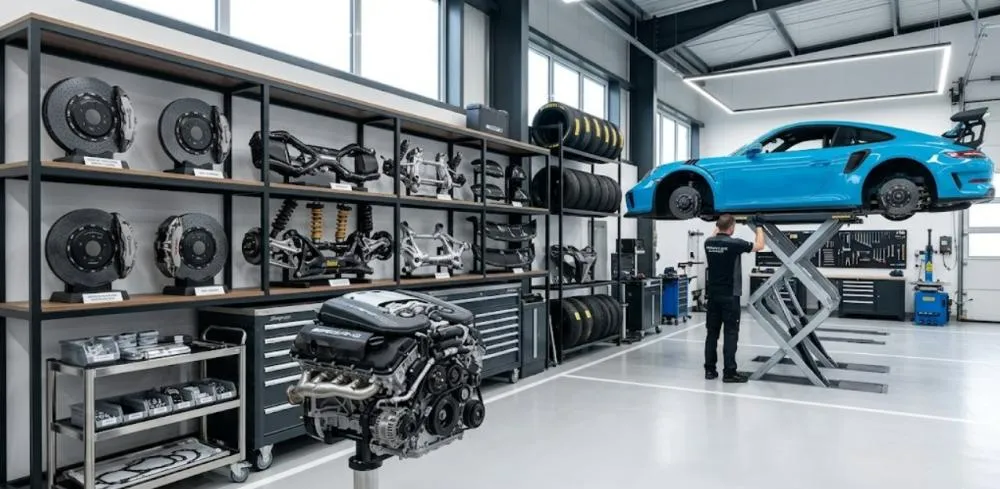
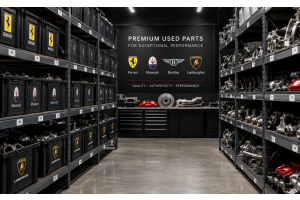
Luxury car parts arranged in a clean workshop

Questions to ask before buying

Fitment questions

Before buying maserati exhaust systems, ask whether the part matches the exact model, year, engine, side, and section required. Ask for part numbers when possible. Ask whether the listing shows the exact item being sold. Ask whether there are any missing brackets, hangers, clamps, tips, valves, or sensors. These questions may sound basic, but they help prevent the most common parts-ordering problems.

It is also smart to ask whether the donor vehicle information is available. A component removed from a known dismantled vehicle can be easier to evaluate because the buyer can better understand the original application. The dismantled vehicles page is relevant for buyers who want to explore parts sourced from specific vehicles rather than searching only by component name.

Condition questions

Condition questions should focus on practical details. Are the pipes round and undamaged? Are the welds intact? Are the hangers straight? Are the tips presentable? Is there heavy corrosion or only normal heat discoloration? Has the part been repaired or modified? For valved sections, does the assembly include the visible valve hardware?

These details are especially important with maserati exhaust systems because the part has both mechanical and emotional value. It needs to fit and function, but it also contributes to the way the car sounds and feels. A buyer may accept a hidden scuff on a pipe, but not a bent tip on a visible rear section. A workshop may accept a used component with normal wear, but not one that introduces installation uncertainty. The more specific the question, the easier it becomes to make a confident decision.

Installation and planning considerations

Installation planning is another reason to choose carefully. Exhaust work can involve seized hardware, heat shielding, hangers, gaskets, clamps, sensors, and alignment adjustments. Even a correct used part can require new installation hardware, especially when older fasteners are corroded or stretched. Buyers should plan for that possibility instead of assuming the replacement part alone is the entire job.

For professional buyers, timing matters as much as price. A repair bay waiting on a mismatched exhaust section loses time. A retail customer waiting for a luxury car repair may become frustrated if the wrong component arrives. That is why careful pre-purchase verification pays off. A clear part description, exact photos, and fitment discussion can help reduce uncertainty before the vehicle is already on the lift.

Mechanic inspecting the underside of a luxury vehicle

Final thoughts on buying with confidence

Maserati exhaust systems combine engineering, sound, style, and fitment precision. They are not generic metal tubes, and they should not be purchased as though they are. The right component can help restore the vehicle’s tone, appearance, and road presence, while the wrong one can create delays and disappointment. For owners, the goal is usually to protect the experience of driving a special car. For businesses, the goal is to complete the repair efficiently while meeting customer expectations.

The best approach is simple: identify the vehicle accurately, compare the part carefully, review condition honestly, and ask questions before ordering. Whether the buyer is replacing a damaged rear muffler, sourcing a mid-pipe, or planning a larger repair, used maserati exhaust systems can be a practical option when chosen with care. For additional help with fitment or availability, use the Spares USA contact page and include as much vehicle and part detail as possible.

Order any in stock part within -- hrs -- mins -- secs for shipping within this time

Maserati Exhaust Systems: Used Parts Guide

Maserati luxury car rear with visible exhaust outlets
Maserati Exhaust Systems: Used Parts Guide

Maserati exhaust systems and the sound of italian performance

For many owners, maserati exhaust systems are not just replacement parts. They are part of the character of the car. The sound, throttle response, visual finish, and overall driving feel are all connected to how the exhaust is designed and maintained. Whether the vehicle is a GranTurismo, Quattroporte, Ghibli, Levante, or another model, the exhaust system plays a major role in how the car feels on the road and how confidently it presents itself.

Luxury-car buyers often think about wheels, paint, leather, and engine output first, but maserati exhaust systems deserve just as much attention. A worn, damaged, poorly matched, or incorrect exhaust component can affect noise levels, emissions behavior, cabin refinement, and buyer confidence. For workshops, resellers, and parts professionals, the right used exhaust component can also help keep a repair commercially realistic without compromising the premium feel of the vehicle. Certified used luxury-car parts can be especially useful when a new OEM component is costly, delayed, or difficult to justify for an older high-end model.

Maserati luxury car rear with visible exhaust outlets

Why exhaust condition matters

Exhaust condition matters because the system has to manage heat, gases, sound, vibration, and appearance at the same time. That is a demanding combination. A premium vehicle may still drive, start, and look impressive with a tired exhaust component, but small issues can quickly become noticeable. A loose bracket can create vibration. A cracked pipe can change the tone. A damaged muffler can make the car feel less refined. A corroded section can also make future repairs more complicated.

For B2C buyers, this often becomes personal. A Maserati is an emotional purchase, and the exhaust note is part of that experience. Drivers may want the car to feel elegant during normal driving and more expressive under acceleration. When maserati exhaust systems are in good condition and correctly matched to the vehicle, they help support that balance. For B2B buyers, the question is often more practical. A body shop, independent specialist, dealer, or parts reseller may need a component that fits correctly, arrives in usable condition, and makes financial sense for the repair order. In both cases, the best outcome starts with careful identification.

Understanding the main components

Front pipes and mid sections

The front and mid sections of maserati exhaust systems are important because they connect the engine-side exhaust flow to the rear silencing components. Depending on the model and configuration, these sections may include bends, flanges, flex areas, sensors, resonators, or mounting points that must line up correctly. Even if two cars appear similar from the outside, a small difference in model year, engine, trim, market, or drivetrain layout can change fitment.

This is why buyers should avoid choosing parts based only on a broad model name. “Maserati Ghibli exhaust” or “GranTurismo exhaust” may be a helpful starting point, but it is not enough by itself. The safest path is to compare part numbers, production details, vehicle identification information, photos, and mounting points. If a used part listing includes clear images, study the welds, flange shapes, hanger positions, sensor openings, and pipe routing. When in doubt, use the contact page to ask fitment questions before purchasing.

Mufflers and rear sections

The rear section often gets the most attention because it is visible and audible. Rear mufflers, exhaust tips, valves where applicable, and outlet design can all influence how the vehicle looks and sounds. This is especially true for performance-oriented Maserati models, where the exhaust outlets are part of the car’s visual identity.

Used rear sections can be attractive because they may offer an OEM-style appearance and fit without the cost of buying new. Still, buyers should look closely. Check for dents, broken hangers, damaged tips, uneven discoloration, heavy corrosion, and signs of poor previous repair. Cosmetic marks may be acceptable for some repairs, especially if the part is mostly hidden, but tip damage is more important on a visible rear assembly. For shops, photos of the exact part are useful when setting expectations with the vehicle owner.

How to choose used maserati exhaust systems

Choosing used maserati exhaust systems should be a careful process, not a rushed keyword search. Start with the vehicle: model, year, engine, drivetrain, and market specification. Then look at the part: whether it is front, center, rear, left side, right side, complete assembly, or individual component. Exhaust systems can be split into sections, and listings may describe those sections differently, so the buyer has to connect the language in the listing with the actual part needed for the repair.

The next step is fitment evidence. Part numbers are ideal when available, but they are not the only clue. The number of outlets, hanger location, flange design, bend shape, sensor position, and connection style all help confirm whether a component is likely to match. If the vehicle is being repaired after an accident, compare the replacement part against the damaged original before installation. A photo-based comparison can prevent delays, especially when ordering for a professional repair bay with limited lift time.

Condition should be reviewed just as seriously as fitment. Used does not have to mean uncertain, but it does mean the buyer should understand what is being purchased. Look for clear photos, sensible descriptions, and visible confirmation of the part’s shape. Surface discoloration is common on exhaust components because heat naturally changes the appearance of metal. Deep rust, holes, cracked welds, crushed pipes, missing hangers, and broken valves are more serious. For buyers browsing broader inventory, the categories page can be a useful starting point for exploring related luxury-car parts.

Oem style, aftermarket style, and buyer expectations

One of the biggest decisions around maserati exhaust systems is whether the buyer wants an OEM-style replacement or something with a more modified character. OEM-style parts are usually chosen when the goal is to restore the car to a factory-like feel. That can matter for resale value, collector preference, insurance repairs, lease returns, or customers who want the car to sound refined rather than aggressive.

Aftermarket-style exhausts can be appealing for drivers seeking a louder tone or different visual finish, but they are not always the right answer. A more dramatic exhaust note can be exciting on a weekend drive and tiring during highway use. It may also create fitment, emissions, inspection, or warranty concerns depending on the vehicle and location. For B2B buyers, the safer commercial choice is often the component that best matches the customer’s stated goal. If the repair order calls for returning the car to a standard presentation, used OEM or OEM-style maserati exhaust systems may be the most practical path.

Where used luxury parts fit into the buying process

Used luxury-car parts are especially relevant when the vehicle is valuable, specialized, or aging into a stage where new parts may be expensive or less convenient to source. A certified used exhaust component can help preserve the car’s character while keeping the project within budget. This can matter for individual owners, but it can also be important for dismantlers, repair networks, independent European-car specialists, body shops, dealers, and exporters.

For Maserati-specific browsing, buyers can start with the Maserati parts page. If the goal is to search directly for exhaust-related inventory, a search page such as maserati exhaust systems can help narrow the process. Buyers working across multiple exotic or luxury brands may also want to compare availability for related vehicles, including Ferrari, Lamborghini, and Bentley parts.

Luxury car parts arranged in a clean workshop

Questions to ask before buying

Fitment questions

Before buying maserati exhaust systems, ask whether the part matches the exact model, year, engine, side, and section required. Ask for part numbers when possible. Ask whether the listing shows the exact item being sold. Ask whether there are any missing brackets, hangers, clamps, tips, valves, or sensors. These questions may sound basic, but they help prevent the most common parts-ordering problems.

It is also smart to ask whether the donor vehicle information is available. A component removed from a known dismantled vehicle can be easier to evaluate because the buyer can better understand the original application. The dismantled vehicles page is relevant for buyers who want to explore parts sourced from specific vehicles rather than searching only by component name.

Condition questions

Condition questions should focus on practical details. Are the pipes round and undamaged? Are the welds intact? Are the hangers straight? Are the tips presentable? Is there heavy corrosion or only normal heat discoloration? Has the part been repaired or modified? For valved sections, does the assembly include the visible valve hardware?

These details are especially important with maserati exhaust systems because the part has both mechanical and emotional value. It needs to fit and function, but it also contributes to the way the car sounds and feels. A buyer may accept a hidden scuff on a pipe, but not a bent tip on a visible rear section. A workshop may accept a used component with normal wear, but not one that introduces installation uncertainty. The more specific the question, the easier it becomes to make a confident decision.

Installation and planning considerations

Installation planning is another reason to choose carefully. Exhaust work can involve seized hardware, heat shielding, hangers, gaskets, clamps, sensors, and alignment adjustments. Even a correct used part can require new installation hardware, especially when older fasteners are corroded or stretched. Buyers should plan for that possibility instead of assuming the replacement part alone is the entire job.

For professional buyers, timing matters as much as price. A repair bay waiting on a mismatched exhaust section loses time. A retail customer waiting for a luxury car repair may become frustrated if the wrong component arrives. That is why careful pre-purchase verification pays off. A clear part description, exact photos, and fitment discussion can help reduce uncertainty before the vehicle is already on the lift.

Mechanic inspecting the underside of a luxury vehicle

Final thoughts on buying with confidence

Maserati exhaust systems combine engineering, sound, style, and fitment precision. They are not generic metal tubes, and they should not be purchased as though they are. The right component can help restore the vehicle’s tone, appearance, and road presence, while the wrong one can create delays and disappointment. For owners, the goal is usually to protect the experience of driving a special car. For businesses, the goal is to complete the repair efficiently while meeting customer expectations.

The best approach is simple: identify the vehicle accurately, compare the part carefully, review condition honestly, and ask questions before ordering. Whether the buyer is replacing a damaged rear muffler, sourcing a mid-pipe, or planning a larger repair, used maserati exhaust systems can be a practical option when chosen with care. For additional help with fitment or availability, use the Spares USA contact page and include as much vehicle and part detail as possible.

Previous Sports Car Spoilers | Used Luxury-Car Parts
Next Restoring car interior for luxury vehicles
Comment(s)