Car tuning parts for luxury performance builds
Choosing car tuning parts for refined performance
Car tuning parts are not only about making a vehicle louder, lower, or more aggressive. For luxury and exotic cars, tuning is often about precision: improving response, restoring a sharper factory feel, replacing worn components, or giving a build a more individual character without sacrificing quality. Whether the buyer is an enthusiast upgrading a weekend Ferrari, a repair shop sourcing components for a Maserati, or a specialist garage preparing a Lamborghini or Bentley for resale, the right approach starts with understanding the vehicle’s engineering and the purpose behind the upgrade.
The best tuning decisions usually come from restraint. A high-end car already has strong performance DNA, so every modification should support the way the car is driven. Some buyers want sharper handling, while others want exterior styling, lighter materials, improved braking, or a cleaner interior finish. Used luxury-car parts can be especially attractive in this space because they may offer original fitment, premium materials, and brand-correct design at a more accessible cost than buying everything new.
Understanding the goal before buying
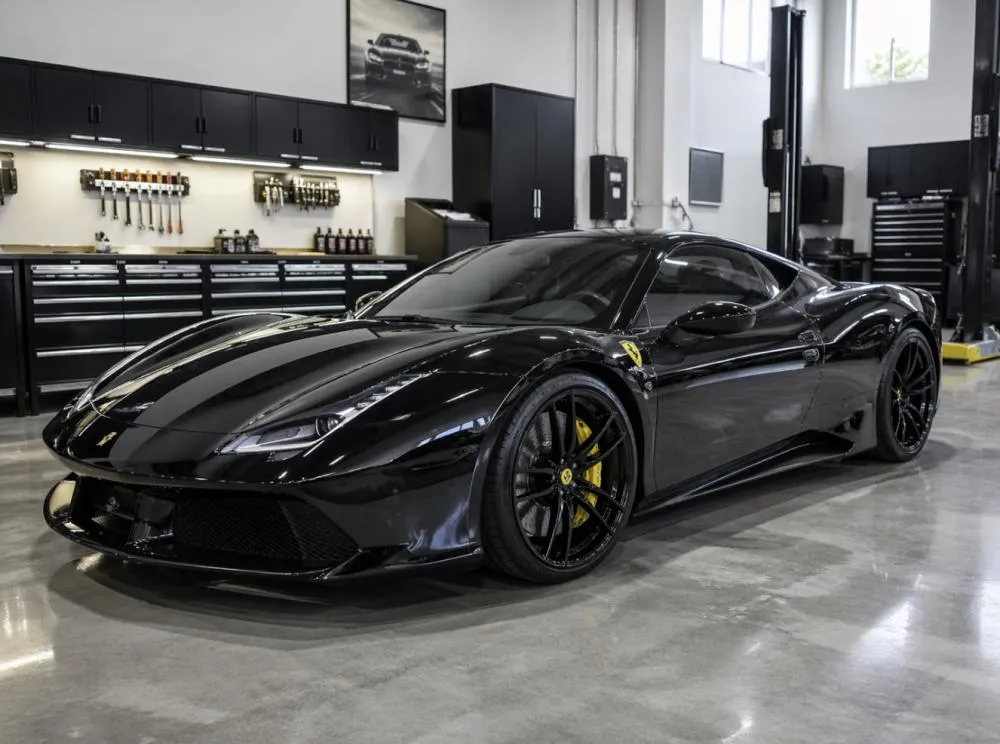
Before searching for car tuning parts, it helps to define the exact goal of the build. A street-focused vehicle needs a different parts strategy than a track-day car, a showroom restoration, or a dealer-prepared resale unit. For example, a carbon fiber exterior component may be chosen for weight savings, visual impact, or both. A wheel upgrade may be about stance and appearance, but it also affects ride quality, brake clearance, tire choice, and steering feel. Suspension components can transform the car, but they can also make it uncomfortable if the setup does not match the buyer’s expectations.
For B2C buyers, the most important question is often simple: what do you want the car to feel like after the upgrade? For B2B buyers, the question is slightly different: what does the end customer expect, and how can the shop complete the job efficiently with parts that make sense for the vehicle? In both cases, the answer should guide the search. Browsing broad category pages such as used luxury-car parts categories can be useful when the buyer is still comparing options across body, drivetrain, suspension, wheel, and interior components.
Matching parts to vehicle identity
A Ferrari build should not be approached in the same way as a Bentley build. A Ferrari may call for components that emphasize lightness, response, and motorsport-inspired detail, while a Bentley may require a more subtle approach focused on comfort, finish, and presence. Buyers looking for brand-specific components can start with pages like Ferrari parts, Maserati parts, Lamborghini parts, and Bentley parts when comparing what may suit the character of each car.
Popular areas for tuning upgrades
Car tuning parts can touch almost every area of a vehicle, but most buyers begin with visible or high-impact categories. Exterior pieces, wheels, interior trim, exhaust-adjacent components, suspension-related parts, and braking components often sit at the center of tuning conversations. The key is to avoid thinking of these upgrades as isolated purchases. A wheel choice can influence suspension setup. A carbon fiber exterior piece can change the visual balance of the car. Interior trim can make a vehicle feel more modern or more period-correct depending on the material and finish.
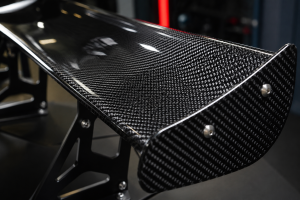
Carbon fiber parts are a common example because they combine aspiration and function. They can create a more focused look, reduce weight in some applications, and align with the design language of many modern exotic cars. Still, fitment matters more than appearance alone. A part that looks exciting online but does not align cleanly with factory mounting points can create more work for an installer and may not deliver the premium result the buyer expects. When researching options, a search such as car tuning parts can help buyers begin narrowing the field without inventing a part number too early in the process.
Wheels and visual stance
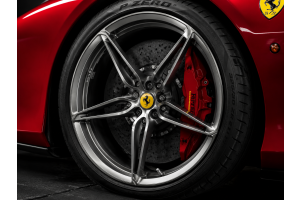
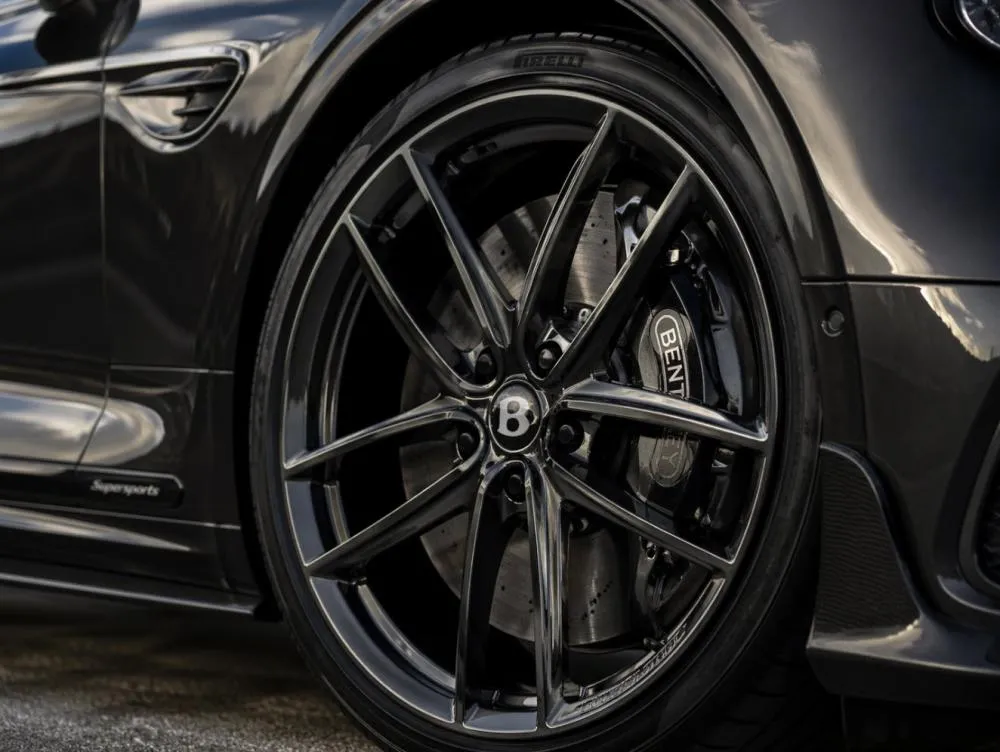
Wheels are one of the most noticeable tuning choices because they change the vehicle instantly. The right wheel can make a car look wider, lower, cleaner, or more aggressive, even before any mechanical change is made. But luxury and exotic vehicles are sensitive to wheel specifications, so buyers should think carefully about diameter, width, offset, bolt pattern, brake clearance, tire availability, and overall weight. A wheel that suits a coupe used for weekend drives may not be the ideal choice for a car that sees long-distance touring or regular city use.
For shops and resellers, wheels also influence perceived value. Clean, correct, well-matched wheels can make a vehicle feel cared for, while mismatched or poorly chosen wheels can make even a desirable car look unfinished. This is why car tuning parts should be selected as part of a complete design and performance plan, not simply because they are available.
Why used parts can make sense
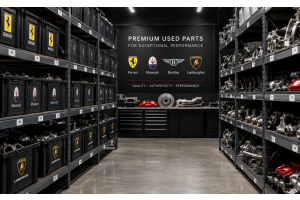
Used car tuning parts can be a smart choice when buyers want premium quality, correct fitment, and a more sustainable sourcing path. Many luxury vehicles use high-grade components from the factory, and in some cases a used original part may be a better match for the vehicle than a low-quality aftermarket alternative. This is especially relevant for body panels, trim pieces, wheels, interior components, and certain performance-related parts where finish and compatibility matter. Buyers can also review dismantled vehicles to understand the type of donor inventory that may be relevant to a particular model or build direction.
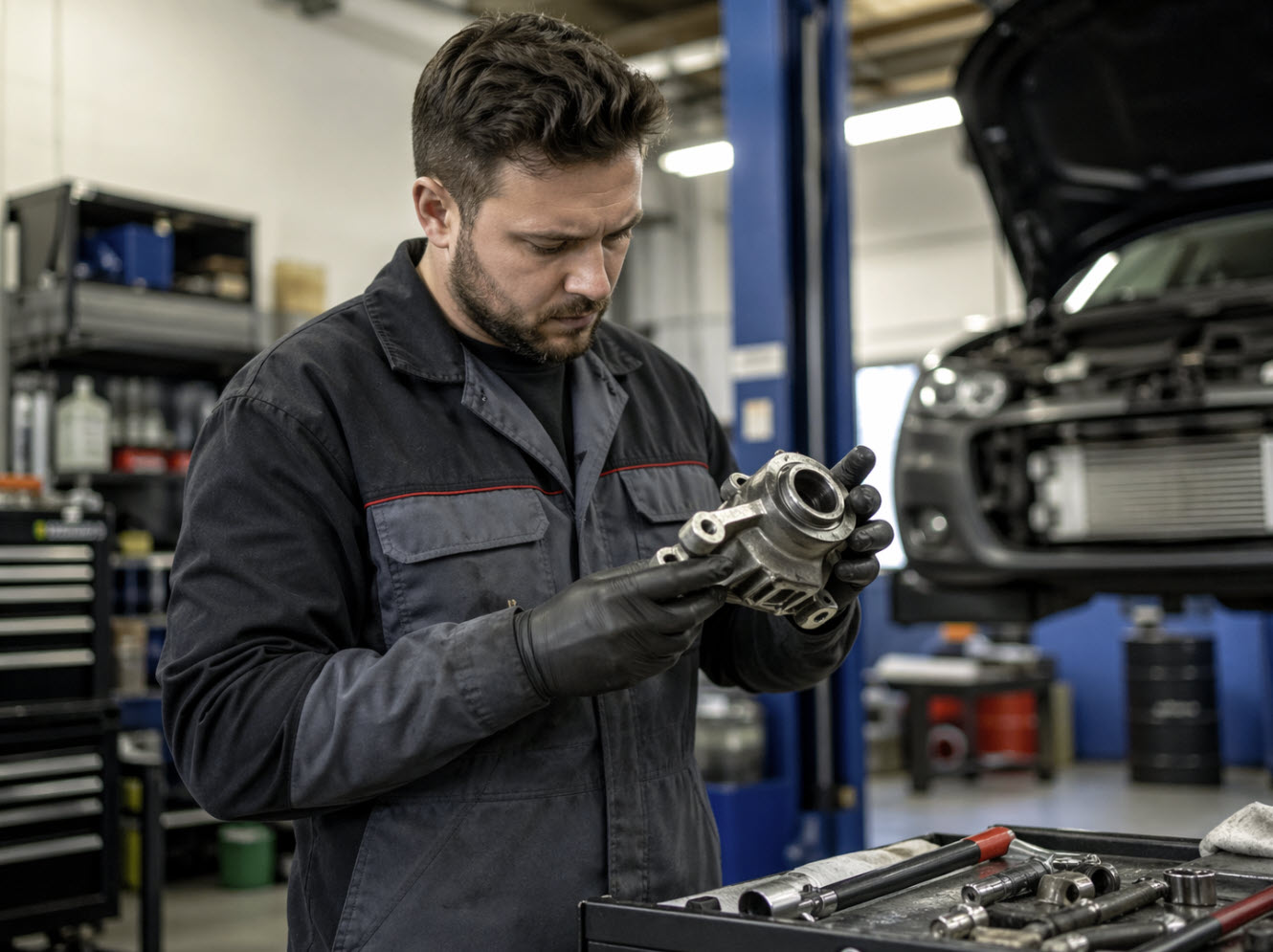
That does not mean every used part is automatically the right part. Condition, fitment, compatibility, and intended use all need attention. A used component should be inspected for wear, damage, mounting points, finish quality, and whether it matches the vehicle’s year, trim, and specification. Professional buyers often know this already, but private buyers sometimes underestimate how much variation can exist between model years or regional versions. A small change in bumper design, sensor placement, wheel sizing, or interior trim package can affect whether a part is suitable.
For B2B buyers, the advantage is often practical. A shop that can source the right component quickly may reduce downtime, improve project margins, and give the customer a result that feels more original to the car. For B2C buyers, the advantage is often emotional as well as financial. Finding the right used luxury-car part can make a build feel more authentic, especially when the goal is to enhance the car without making it look over-modified. In that sense, car tuning parts are not just accessories; they are choices that shape how the car is experienced every time it is driven, photographed, serviced, or shown to another enthusiast.
Fitment, condition, and compatibility
Fitment is the detail that separates a confident upgrade from an expensive mistake. Buyers should confirm part numbers where possible, compare photos carefully, and consider whether the part was designed for the exact model, generation, and trim. This is particularly important for exotic and luxury vehicles because seemingly minor design details can matter. Sensor openings, mounting tabs, carbon weave direction, trim finish, wheel offset, and electronic compatibility may all affect the final result.
Condition is just as important. Car tuning parts should be reviewed with the same seriousness as any major automotive component. Cosmetic wear may be acceptable for some projects and unacceptable for others. A shop preparing a customer vehicle may need near-perfect appearance, while a private enthusiast may be comfortable refinishing a part if the structure and fitment are right. Either way, the buyer should understand what is being purchased before committing.
When to ask before ordering
If there is uncertainty about fitment, the best next step is to ask. Buyers can use the contact page to discuss a specific need, especially when the project involves a rare model, a brand-specific detail, or a part that must match a particular finish. This is useful for private buyers who may not know every technical detail and for trade buyers who need to confirm compatibility before quoting a customer.
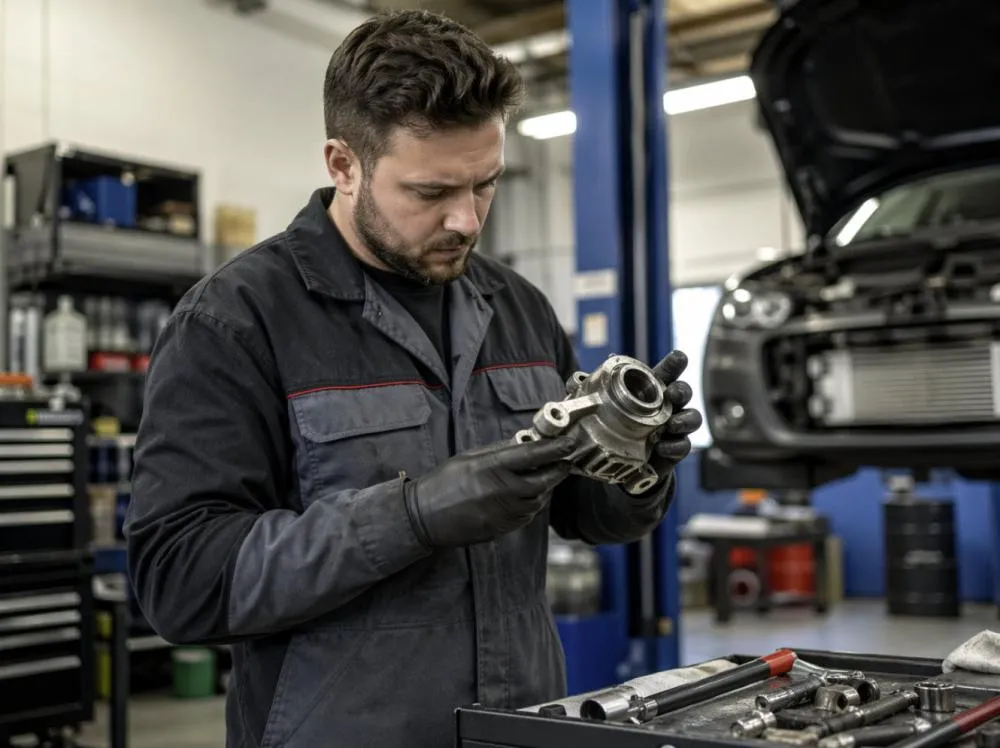
Building a balanced tuning plan
A strong tuning plan balances appearance, performance, budget, and long-term usability. It is tempting to begin with the most dramatic car tuning parts, but the best builds often start with a clear sequence: inspect the car, identify worn or outdated components, decide which upgrades support the goal, and then source parts that match the vehicle’s identity. This approach helps prevent a build from becoming a collection of unrelated modifications.
For example, a buyer may start with wheels and exterior details, then move into suspension and interior upgrades once the visual direction is clear. Another buyer may focus first on functional improvements, replacing tired components before adding styling details. Neither path is wrong. What matters is that every decision supports the same outcome. Luxury cars reward coherence, and the right car tuning parts should make the vehicle feel more complete, not less refined.
Final thoughts on smart sourcing
Car tuning parts can elevate a luxury vehicle when they are chosen with care. The best upgrades respect the original engineering while giving the car a more personal, capable, or desirable character. For enthusiasts, that may mean a more exciting weekend car. For shops, dismantlers, resellers, and repair professionals, it may mean a smoother project, a better customer experience, and a result that looks right the first time.
Start with the purpose of the build, confirm fitment, compare condition, and choose parts that make sense for the brand and model. When sourced thoughtfully, car tuning parts can do more than change how a car looks. They can restore confidence, sharpen the driving experience, and help a luxury vehicle feel special again.