Carbon fiber mirror caps for luxury cars

Understanding carbon fiber mirror caps
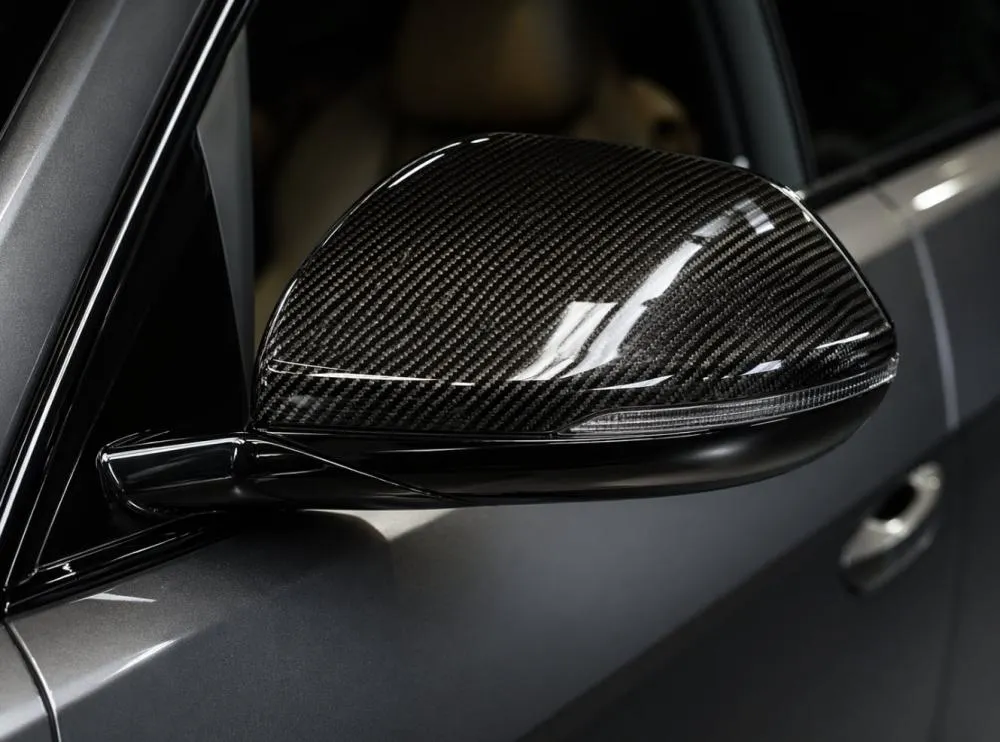
Carbon fiber mirror caps are one of those exterior details that can change the character of a luxury car without overwhelming the original design. They sit at eye level, catch light from multiple angles, and give the side profile a more technical, performance-inspired look. For many owners, the goal is not to make the car louder or more aggressive, but to add a refined motorsport accent that feels appropriate on a Ferrari, Maserati, Lamborghini, Bentley, or other high-end vehicle.
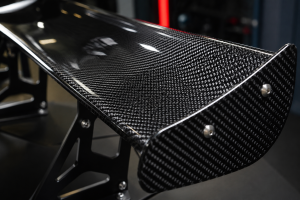
The reason carbon fiber works so well in this area is simple: mirror housings are small, visible, and sculptural. A hood, splitter, or diffuser can dominate the car, while a mirror cap offers a more controlled upgrade. The weave pattern adds texture, the clear coat adds depth, and the part can make a factory paint color look sharper by contrast. Buyers who browse luxury-car part categories often look for parts that preserve the feel of the vehicle while adding a touch of individuality. Mirror caps fit that space well because they are noticeable without feeling excessive.
Why carbon fiber mirror caps appeal to different buyers
The appeal of carbon fiber mirror caps is both emotional and practical. For a private owner, they can refresh the appearance of a car that already has strong mechanical value but needs a sharper exterior detail. For a reseller, they can help a vehicle photograph better and stand out in listings. For a shop or body specialist, they are the kind of part that customers understand quickly because the visual difference is immediate. There is no need for a technical explanation before someone can see the upgrade.
At the same time, the part has to make sense for the vehicle. The best results usually come when the mirror caps match the car’s existing design language. A Lamborghini with other carbon exterior trim can look more complete with matching mirror caps, while a Ferrari may benefit from the contrast between painted bodywork and exposed weave. A Maserati owner may prefer a subtle gloss finish that feels elegant rather than track-focused. A Bentley buyer might be looking for a restrained, premium detail rather than an aggressive styling cue. In every case, the part should look intentional, not randomly added. When evaluating carbon fiber mirror caps, it helps to think about the whole vehicle: wheel finish, paint color, interior trim, brake calipers, and any existing carbon accents. The goal is harmony.
Matching the part to the car
Fit and finish matter more on luxury cars because small inconsistencies are easier to notice. A mirror cap that looks acceptable from a distance may still feel wrong if the weave direction is uneven, the clear coat is cloudy, or the edge does not sit cleanly against the mirror housing. Buyers comparing parts for Ferrari, Maserati, Lamborghini, or Bentley vehicles should pay close attention to model-year compatibility and trim differences. Mirror assemblies can change between generations, facelifts, markets, and special editions, so a visually similar part is not always the right part.
What buyers should check before purchasing
Used carbon fiber mirror caps can be a smart option when the buyer understands what to inspect. Start with the clear coat. It should appear glossy and consistent, with no deep yellowing, peeling, heavy scratches, or hazy patches. Small surface marks may be acceptable depending on the price and intended use, but the buyer should know what can be polished and what cannot. Next, check the weave. Carbon fiber is valued partly because of its pattern, so broken, warped, or mismatched weave can reduce visual appeal. Then look at mounting tabs, clips, and inner edges. Exterior mirror parts often rely on small attachment points, and broken tabs can make installation more difficult or less secure.
It is also worth checking whether the part is a replacement cap, overlay, or complete mirror component. These terms are sometimes used loosely in listings, but they can mean very different things for installation. A true cap may replace the original outer shell, while an overlay may attach over the existing mirror housing. A full mirror assembly may include glass, electronics, folding mechanisms, cameras, sensors, or heating elements depending on the vehicle. That is why buyers should compare part photos carefully and confirm compatibility before ordering. If the listing includes a source vehicle, the dismantled vehicles page can be useful when tracing parts back to specific cars.
Fitment is more than the model name
The phrase “fits Lamborghini” or “fits Ferrari” is not enough on its own. Fitment may depend on exact model, production year, body style, market, trim package, and mirror options. Carbon fiber mirror caps for one generation may not work on another, even when the overall vehicle silhouette looks similar. B2B buyers should be especially careful here because returns and delays can interrupt repair schedules, customer deliveries, or resale preparation. A shop that orders the correct part the first time protects its margin, its timeline, and its customer relationship.
Where they fit in a luxury-car upgrade plan
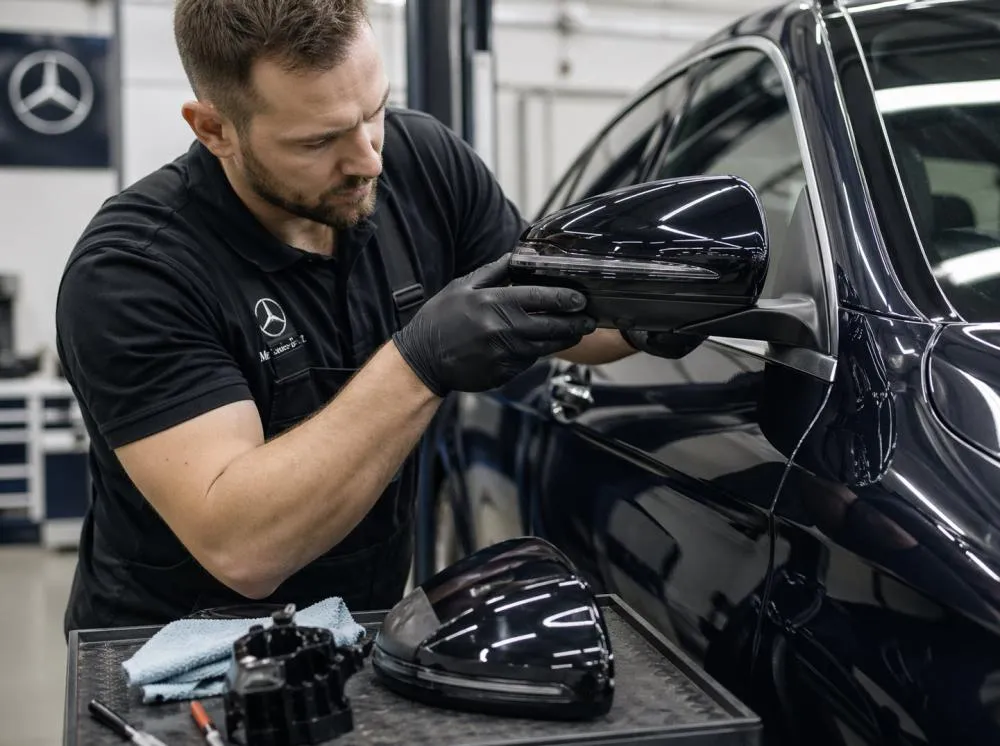
Carbon fiber mirror caps are often part of a broader exterior refresh. A buyer may be replacing a damaged mirror cover after a parking scrape, matching existing carbon trim, or upgrading a vehicle before resale. Some shoppers search directly for carbon fiber mirror caps, while others begin with broader exterior categories and narrow down by brand. In either case, the part sits in a useful middle ground: more distinctive than a basic replacement, but usually less involved than large body-panel changes.
For B2B buyers, the value is often in speed and specificity. Collision centers, exotic-car specialists, detailers, and resellers may need exterior parts that are visually strong, model-appropriate, and available without waiting for a full custom order. For B2C buyers, the value may be more personal. A car owner may want the vehicle to feel newer, sportier, or closer to a special-edition look. Carbon fiber mirror caps can support all of those goals when chosen carefully. They are not just decoration; they are a design detail that can make the car feel more complete.
Balancing originality and personalization
Luxury-car buyers often care about originality, but that does not mean every visible part has to remain plain or painted. The key is choosing parts that feel consistent with the manufacturer’s design language. Carbon fiber has strong associations with performance, weight savings, and motorsport, but on a road car it also functions as a premium visual material. When the finish is clean and the fit is right, the result can look factory-inspired rather than aftermarket.
How to shop with confidence
When shopping for carbon fiber mirror caps, collect the important details before comparing prices. Know the make, model, year, market, side of the vehicle, and whether the mirror has special features. Review photos closely, especially edges, mounting points, clear coat, and inner surfaces. Compare the part shape against the original mirror housing. If there is uncertainty, it is better to ask before buying than to discover a mismatch during installation. For questions about availability or compatibility, buyers can use the contact page and include vehicle details, photos, and any part numbers they have.
The strongest purchases usually combine style, condition, and fitment. A lower-priced part may not be the better value if it needs repair, does not match the vehicle, or lacks important mounting points. A cleaner used part may save time, preserve the look of the car, and avoid the long lead times sometimes associated with specialty components. For a luxury vehicle, the difference between “close enough” and “correct” is visible every time the driver walks up to the car.

Final thoughts on choosing the right part
Carbon fiber mirror caps are a small exterior component with a surprisingly large visual effect. They can make a luxury car look sharper, more modern, and more performance-focused while still respecting the vehicle’s original proportions. The best choice depends on fitment, condition, finish, and how the part works with the rest of the car. Whether the buyer is an enthusiast improving a personal vehicle or a business sourcing parts for a customer, careful inspection and model-specific research are what turn a simple styling part into a confident purchase.