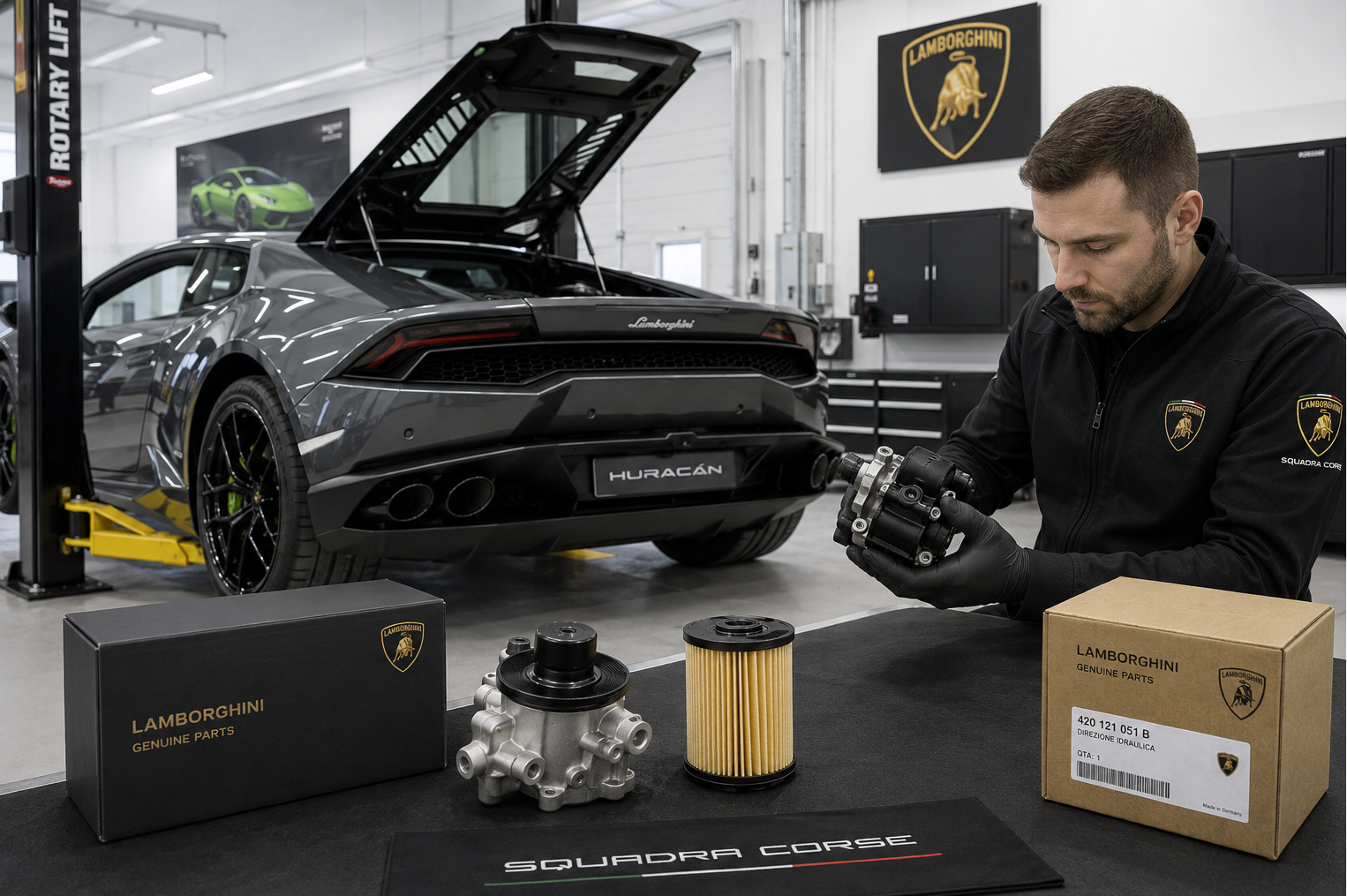
Why lamborghini oem parts matter
Choosing the right parts for a Lamborghini is never just a mechanical decision. It is about preserving engineering, fitment, performance, and long-term value. Lamborghini oem parts are designed to match the specifications of the original vehicle, which makes them especially important for owners, repair shops, body shops, dealerships, dismantlers, and collectors who need predictable compatibility. Whether the goal is collision repair, restoration, maintenance, or resale preparation, original-equipment components help keep the car closer to the way it was built.
Luxury and exotic vehicles are different from ordinary cars because even small part differences can affect fit, alignment, finish, sound, and driver confidence. A panel gap that looks acceptable on a daily commuter may look wrong on a Huracan or Aventador. A non-original suspension component may technically fit, but still alter the way the car feels on the road. That is why many buyers begin their search with lamborghini oem parts instead of generic aftermarket alternatives. The intent is not only to make the car operational, but to maintain its character.
What oem means for lamborghini buyers
OEM stands for original equipment manufacturer. In practice, Lamborghini oem parts are components made to the same standard, design, or specification as the parts originally installed on the vehicle. This can include body panels, lights, wheels, trim, drivetrain components, suspension parts, interior pieces, cooling parts, electronics, and more. For a performance car with tight tolerances and high expectations, that distinction matters.
For B2C buyers, the appeal is often peace of mind. If you own a Lamborghini and need a replacement part, you want something that fits correctly, performs properly, and looks right once installed. For B2B buyers, the priorities can be even broader. Shops need to reduce installation delays, avoid rework, protect customer satisfaction, and quote repairs with confidence. A used OEM component can sometimes be a practical middle ground: it offers original specification and fitment while potentially being more accessible than buying new from traditional channels.
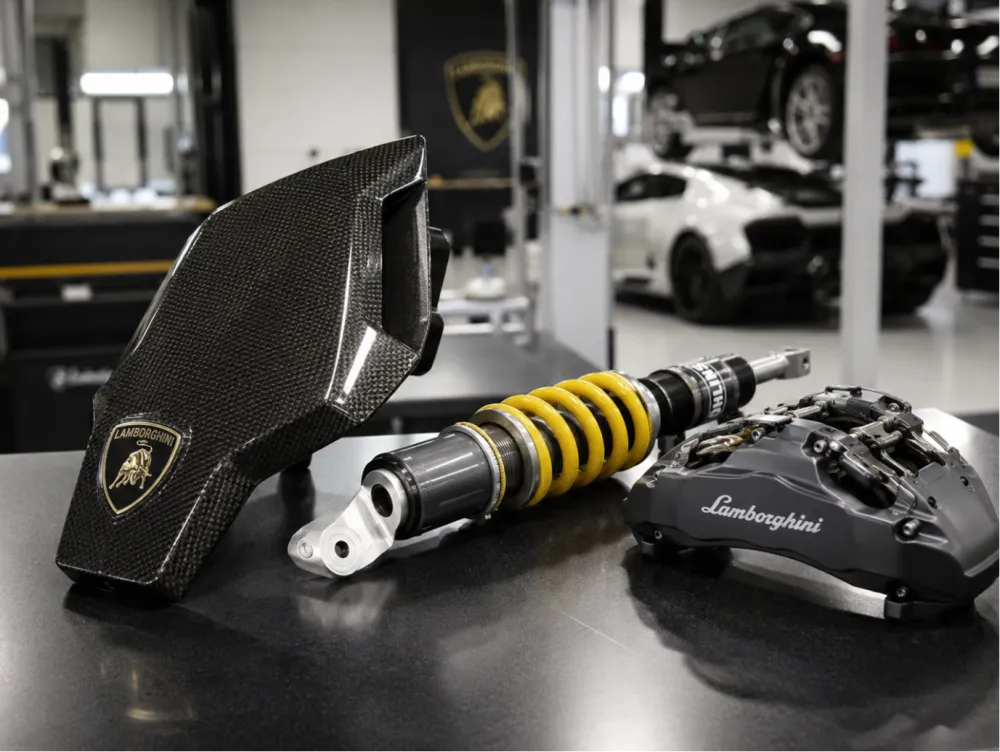
It is important, however, to evaluate every part carefully. Used luxury-car components should be checked for condition, part number, compatibility, mileage where relevant, and visible wear. A Lamborghini is a high-value vehicle, and the wrong part can cost more in labor, downtime, and frustration than it saves upfront. Before purchasing lamborghini oem parts, buyers should confirm the model, production year, trim, engine variant, and any relevant option codes when possible.
Common lamborghini parts buyers search for
Demand for Lamborghini oem parts often follows the areas most exposed to wear, impact, heat, and cosmetic damage. Exterior parts are a major category because even minor collision damage can require precise replacement components. Front bumpers, rear bumpers, fenders, hoods, doors, mirrors, grilles, underbody panels, and aerodynamic trim must align properly with surrounding bodywork. With exotic cars, visual consistency is part of the repair.
Lighting is another common search area. Headlights, taillights, control modules, and related brackets can be expensive and model-specific. A small difference between model years may change fitment, wiring, or mounting points. Buyers should be especially careful here, because electronic components may need to match both the physical vehicle and its electrical architecture.
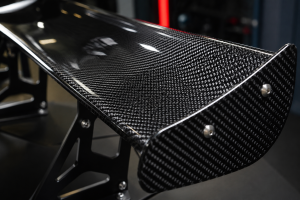
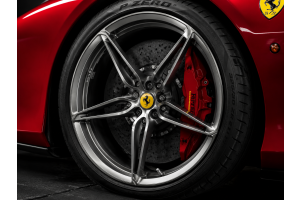
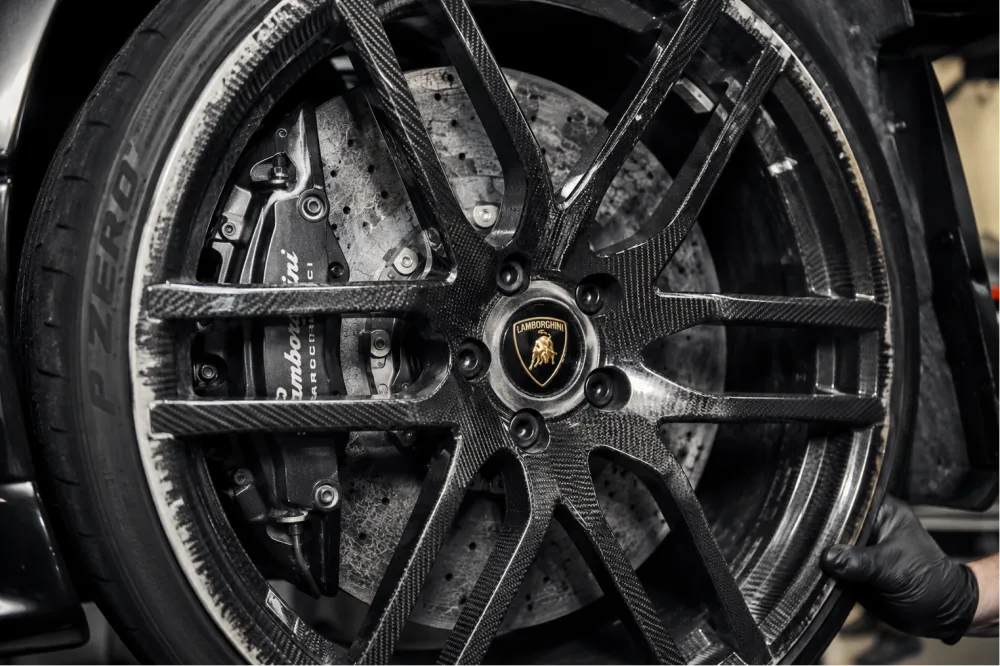
Wheels, brakes, suspension components, and carbon fiber parts also receive strong interest. These components affect both the look and the function of the car. A Lamborghini wheel is not just a wheel; it is part of the vehicle’s stance, handling, and visual identity. Buyers looking for carbon fiber options can also explore relevant search results such as Lamborghini carbon fiber wheel parts when appropriate.
Exterior parts
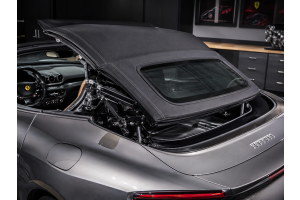
Exterior Lamborghini components must do more than cover damage. They need to support the design language of the vehicle and fit into a body structure where every line is intentional. Used OEM exterior parts can be valuable when replacing damaged panels, restoring a previously repaired car, or sourcing rare trim. Buyers should inspect paint condition, mounting tabs, cracks, repairs, and whether the part has been modified. Even if repainting is planned, the underlying structure should be sound.
Interior parts
Interior parts are often overlooked until a buyer needs one. Seats, switches, steering wheels, dashboard trim, console parts, door cards, air vents, carbon fiber accents, and infotainment-related components can be highly specific. Lamborghini interiors vary by model, color, stitching, material, and trim package, so matching the part visually is just as important as matching the fitment. For shops, confirming these details before ordering helps avoid delays and disappointed customers.
Mechanical parts
Mechanical components require the highest level of care. Engine, transmission, cooling, braking, suspension, and drivetrain parts should be evaluated with attention to part numbers and condition. For these categories, the buyer should consider whether the part is cosmetic, structural, electronic, wear-related, or safety-critical. Used lamborghini oem parts can be a strong option in many situations, but the evaluation process should be more detailed when the component directly affects performance or safety.
Used oem parts versus aftermarket alternatives
Aftermarket parts can serve a purpose, but they are not always the right choice for exotic vehicles. Some aftermarket components are designed for customization, some for cost savings, and others for performance modification. The challenge is that not every aftermarket option will match factory fit, finish, or durability. With a Lamborghini, even small deviations can become obvious once the vehicle is assembled.
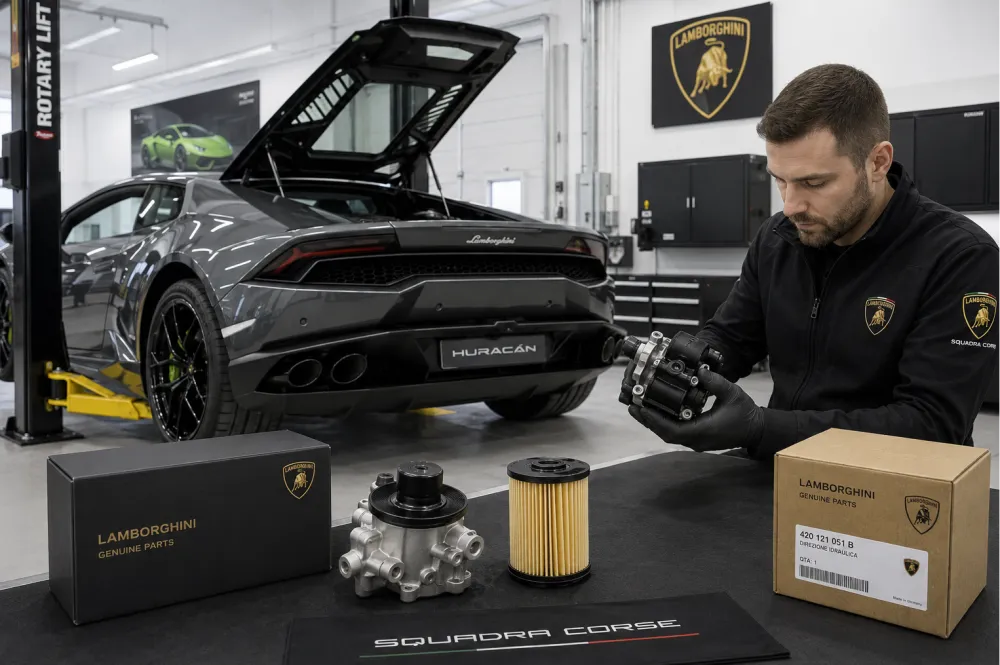
Used Lamborghini oem parts appeal to buyers who want factory design without necessarily purchasing brand-new parts. This is especially relevant for older models, rare trims, or repairs where new availability is limited or expensive. A used OEM bumper, wheel, headlight, or interior trim piece may preserve the original look better than an aftermarket substitute. For businesses, it can also help complete customer repairs when timing and fitment matter.
The tradeoff is that used parts must be assessed honestly. A used part may have scratches, paint imperfections, missing clips, prior repairs, or wear from normal use. That does not automatically make it a bad purchase, but it does mean condition should be clearly understood. Buyers should compare photos, ask for part numbers, and confirm whether additional hardware is included. When the goal is a clean repair, details matter.
How to evaluate lamborghini oem parts before buying
The first step is compatibility. A Lamborghini part should be matched by model, year, variant, side, and part number whenever possible. A component from a Huracan may not fit an Aventador, and a part from one production year may not be identical to the next. Even within the same model family, facelift updates, special editions, and market-specific configurations can change what fits.
The second step is condition. Look closely at mounting points, tabs, connectors, seals, edges, surfaces, and any areas that commonly crack or wear. For electronic parts, confirm connectors and visible damage. For wheels, inspect for bends, curb rash, cracks, and previous repairs. For carbon fiber pieces, look for delamination, fading, chips, and clearcoat damage. For suspension or brake parts, consider whether additional inspection by a qualified professional is appropriate before installation.
The third step is sourcing. Buyers can browse broader luxury-car categories at Spares USA categories, explore brand-specific inventory through Lamborghini parts, or review available donor vehicles at dismantled vehicles. These pages can help buyers understand what is available across different models and part types. If a specific component is difficult to identify, contacting a parts specialist through Spares USA contact may help clarify fitment questions before purchase.
Why dismantled vehicles can be useful
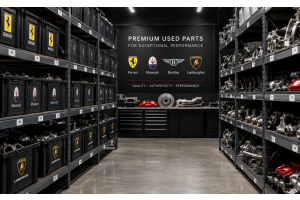
Dismantled exotic vehicles can be a practical source for original components because many parts may remain usable even when a car is no longer roadworthy. A collision-damaged Lamborghini, for example, may still have excellent interior components, undamaged wheels, electronic modules, trim, glass, or rear body parts. For buyers looking for lamborghini oem parts, this can open access to factory components that may otherwise be hard to source.
This approach is especially useful for restoration projects and professional repair operations. A shop may need several related components from the same model, such as brackets, trim pieces, fasteners, modules, and body panels. Buying from a dismantled vehicle can sometimes make it easier to source parts that belong together. It can also help preserve originality when repairing a vehicle that deserves factory-correct details.
Brand comparisons for exotic parts buyers
Many buyers searching for Lamborghini parts also work across other luxury and exotic brands. Repair shops, resellers, and collectors may handle Ferrari, Maserati, Bentley, and Lamborghini vehicles within the same workflow. Each brand has its own engineering priorities, but the sourcing principles are similar: confirm fitment, verify condition, understand compatibility, and prioritize quality.
For related exotic-car sourcing, buyers can also review Ferrari parts, Maserati parts, and Bentley parts. These brand pages can be useful for businesses managing multiple repair orders or private buyers comparing parts across vehicles. The same careful approach applies: original specification, clear inspection, and accurate fitment should guide the decision.
Final thoughts on buying lamborghini oem parts
Buying lamborghini oem parts is about more than replacing something broken. It is about protecting the experience, value, and integrity of a high-performance vehicle. Whether the buyer is an individual owner restoring a dream car or a professional shop completing a customer repair, the right part can make the difference between a repair that merely works and a repair that feels correct.
Start with the basics: identify the exact vehicle, confirm the part number when possible, inspect the condition, and compare the component against your repair goal. Used OEM parts can offer a strong combination of factory fitment and practical value, especially when new parts are difficult to find or unnecessary for the job. For Lamborghini owners and professionals alike, careful sourcing is the smartest path to a result that looks right, fits right, and respects the car’s original engineering.
When precision matters, lamborghini oem parts remain one of the most relevant options for repair, restoration, and premium automotive service. They support authenticity, reduce uncertainty, and help preserve the details that make the vehicle special.