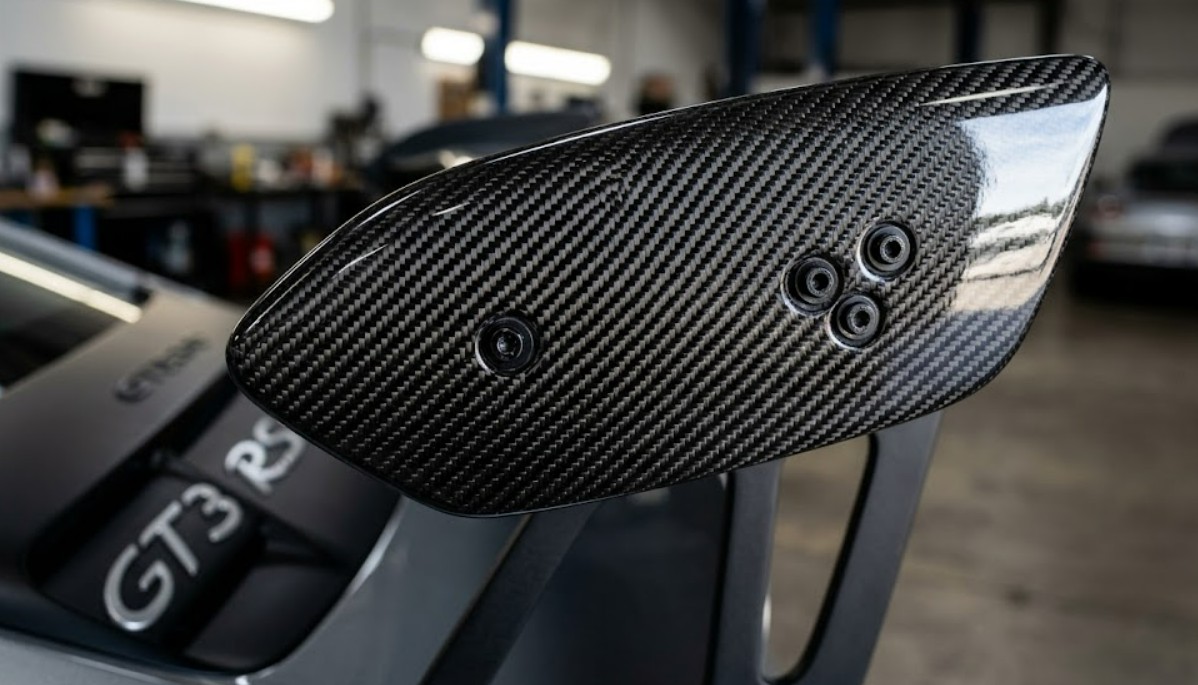
Why aerodynamic car parts matter
Aerodynamic car parts are more than visual upgrades. On a luxury performance car, they help shape how air moves around the body, how planted the vehicle feels at speed, and how the exterior design communicates intent. For a private owner, the right part can restore the look and character of a cherished car. For a repair shop, body shop, dealer, or specialist dismantler, it can be the difference between a repair that feels ordinary and one that respects the original design language of the vehicle.
In simple terms, aerodynamic car parts manage airflow. They may guide air away from unstable zones, increase downforce, reduce drag, feed cooling areas, or protect underbody components from turbulent air. On exotic and premium cars, the details are often highly specific: a small duct, splitter edge, diffuser fin, bumper opening, or undertray contour can be tied closely to the way the car was engineered. That is why buyers often look beyond basic fitment and ask whether a replacement part matches the model, trim, year, mounting points, material, and finish. Used luxury-car parts can be attractive in this area because they may offer access to original-style components without automatically defaulting to new aftermarket pieces.

Common aerodynamic components
Aerodynamic car parts appear throughout the vehicle, not just on the obvious rear wing. Front splitters, bumper lips, canards, air dams, side skirts, diffusers, vents, ducts, spoilers, undertrays, belly pans, wheel arch liners, and carbon-fiber exterior pieces can all contribute to airflow management. Some are dramatic and easy to see. Others hide underneath the car, where they quietly influence air pressure and stability.
Front splitters and bumper lips
The front of the car is where air first meets the body, which makes the splitter or lower bumper section especially important. A splitter can help separate air moving above and below the vehicle, while a lip may reduce lift and visually lower the stance. On luxury performance models, this area is also vulnerable to curb rash, steep driveways, road debris, and parking damage. When replacing these pieces, buyers should pay close attention to mounting tabs, sensor openings, grille compatibility, washer covers, and whether the part is designed for a standard, sport, carbon, or special-edition package.
Side skirts and lower panels
Side skirts do more than complete the side profile. They can help control the air flowing along the lower sides of the car and reduce the amount of turbulent air entering from the sides underneath the chassis. For many high-end vehicles, lower side panels are also part of the brand’s visual signature: long, sculpted, sharp, subtle, muscular, or elegant depending on the model. If you are browsing replacement options, the broad parts categories can be a useful starting point before narrowing by brand, model, and body location.
Rear spoilers and diffusers
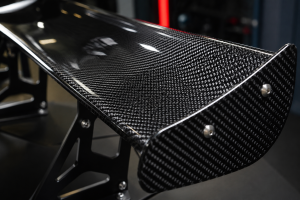
At the rear, aerodynamic car parts often focus on stability, airflow exit, and the balance between beauty and function. A spoiler may help manage air leaving the roofline or trunk area, while a diffuser can shape airflow from underneath the vehicle. This is one of the reasons rear bumper assemblies, lower valances, diffuser inserts, and carbon trims can be so model-specific. Even parts that look similar in photos may differ in exhaust cutouts, parking sensor positions, camera openings, fastener locations, or carbon weave direction.
Materials and finish choices
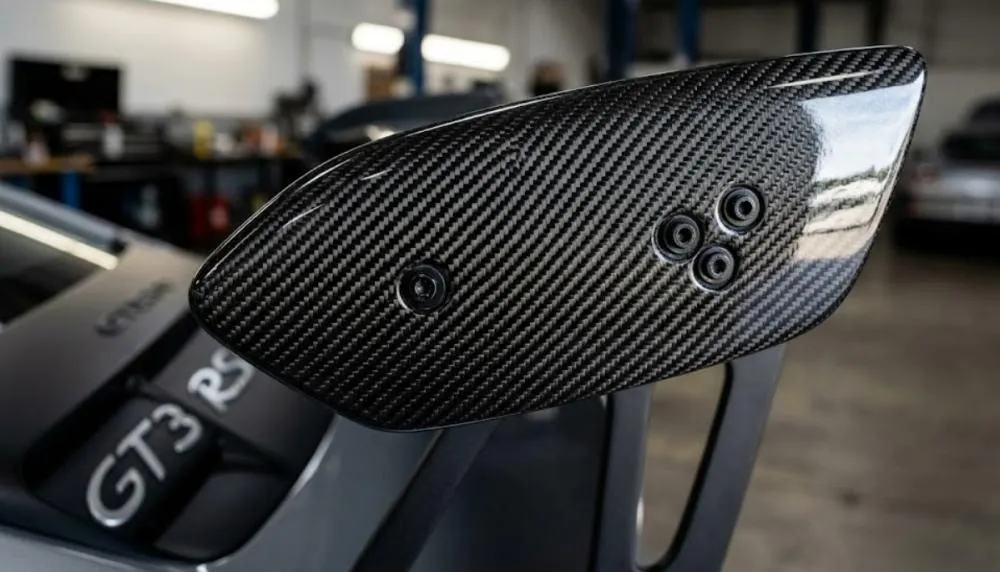
The material used in aerodynamic car parts influences weight, durability, repairability, appearance, and cost. Plastic, polyurethane, fiberglass, aluminum, and carbon fiber all appear in the market, depending on the car and component. Carbon fiber is especially common in the luxury and exotic segment because it offers a performance-oriented appearance and can reduce weight, but it also demands careful inspection. Clear coat condition, chips, cracks, mounting integrity, and weave consistency matter when evaluating used carbon pieces.
A long-form buying decision often comes down to priorities. A daily driver owner may care most about restoring a clean factory look after a parking impact. A collector may want a component that matches a rare option package. A body shop may need a part that arrives ready to inspect, test fit, refinish, and install within a practical repair timeline. A performance enthusiast may be looking for a more aggressive exterior profile, but still wants the car to feel coherent rather than pieced together. In every case, aerodynamic car parts should be judged as both design objects and functional components. That means looking past the headline label and checking photos, part numbers when available, condition notes, compatibility, mounting points, and finish requirements. It also means understanding that refinishing may be part of the process, especially for painted bumper lips, side blades, and lower trim pieces. If carbon fiber is involved, buyers should be more careful because damage can be less forgiving than a scuffed painted part. A used carbon diffuser with broken mounts may look impressive from a distance but create extra labor during installation. A clean OEM-style lower panel, on the other hand, can help a vehicle regain its intended silhouette with less compromise.
Fitment and compatibility
Fitment is where aerodynamic car parts become serious. Luxury vehicles can have small year-to-year changes, market-specific packages, facelift differences, trim variations, and optional exterior kits. A component for one version of a car may not fit another version even when the general shape looks close. This is especially true around front bumpers, rear bumpers, rocker panels, underbody trays, wheel openings, and exhaust surrounds.
Brand-specific research is helpful. For Italian performance cars, shoppers may compare exterior components for ferrari, maserati, or lamborghini models, where aero details can vary dramatically by generation and trim. For grand touring and ultra-luxury applications, bentley parts may involve a different balance of elegance, subtlety, and factory-correct finish. The key is to avoid buying based only on the broad model name. Instead, compare the part against the exact vehicle, option package, and visible mounting design.
Used parts for smart sourcing
Used aerodynamic car parts can make sense for both B2C and B2B buyers. Owners may be trying to repair a damaged lower spoiler without losing the premium feel of the car. Independent shops may need a cost-conscious sourcing path for high-value repairs. Collision specialists may need components that match the original body shape more closely than a generic alternative. Parts managers may be trying to locate a hard-to-find exterior piece for a customer who expects a refined result.
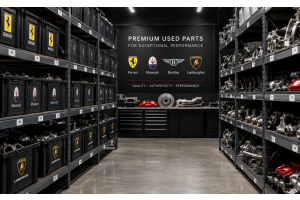
One useful path is to look at vehicles that have been dismantled for parts. A dismantled luxury car can provide access to exterior components, underbody pieces, trim details, and model-specific mounting hardware that may be difficult to identify from generic listings alone. You can review available donor vehicles through dismantled vehicles and use that context to understand what might be available from the same model family. For targeted searches, a query such as aerodynamic car parts can help begin the discovery process, while more specific searches for terms like splitter, diffuser, spoiler, undertray, carbon trim, or side skirt may narrow the results further.
Inspection before purchase
Before buying aerodynamic car parts, review the visible condition carefully. Look for cracked edges, broken tabs, worn mounting holes, deep scraping, repaired areas, missing inserts, delamination, paint mismatch, sensor-hole differences, and signs of heavy impact. Some cosmetic wear may be acceptable if the part will be refinished. Structural damage around mounts is usually more important because it can affect installation.
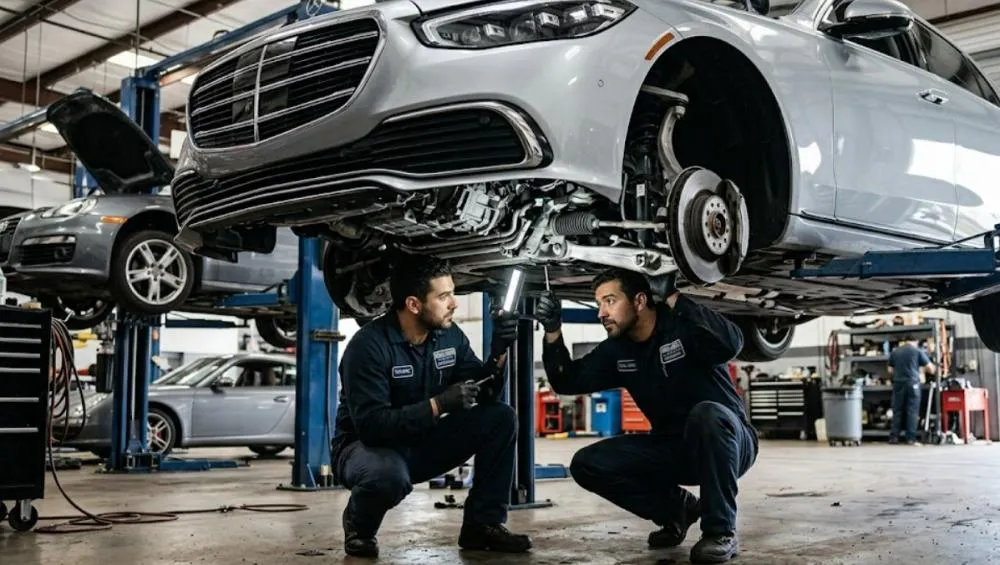
It is also wise to think about the total repair workflow. A used splitter may need cleaning, test fitting, minor sanding, paint, clear coat, clips, or hardware. A diffuser may need exact exhaust compatibility. A bumper lip may require matching fasteners or brackets. An undertray may look simple but still need the correct hole pattern. For shops, these details affect labor estimates and customer expectations. For individual owners, they affect whether the part feels like a smart purchase or a frustrating project. When uncertain, contacting the seller with the year, make, model, trim, and photos of the existing part can reduce risk. The contact page is the right internal destination when a buyer needs help confirming details before moving forward.
Choosing with confidence
Aerodynamic car parts sit at the intersection of performance, design, repair, and identity. They influence how a luxury car looks from the curb, how complete it feels after a repair, and how faithfully it reflects its original engineering. Whether the goal is restoration, collision repair, resale preparation, inventory sourcing, or a more expressive exterior, the best results come from patient matching and careful inspection.
The right component should fit the vehicle, suit the intended finish, support the repair plan, and respect the character of the car. For B2C buyers, that means preserving the feeling that made the vehicle desirable in the first place. For B2B buyers, it means sourcing with enough precision to protect margins, timelines, and customer trust. Aerodynamic car parts may look like accessories at first glance, but on a premium vehicle, they are part of the whole design system. Choose them with the same care you would give to wheels, body panels, lighting, or interior trim, and the final result will feel far more complete.