Sports Car Parts for Luxury Performance Builds
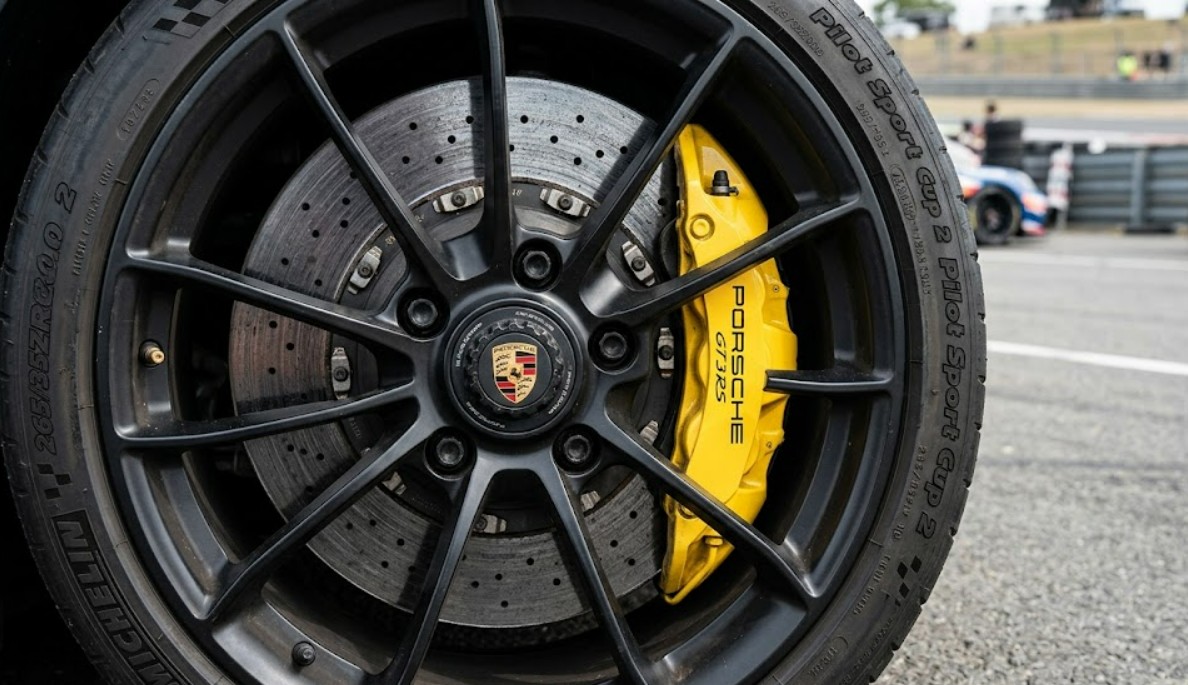
Why sports car parts matter
Buying sports car parts is never just about replacing something that broke. It is about preserving the feel, response, sound, and presence that made the car desirable in the first place. For owners, repair shops, body shops, restorers, and specialty resellers, the right part can protect the character of a luxury performance vehicle while keeping a project practical. A sports car is built around precision: tight tolerances, distinctive materials, brand-specific engineering, and components designed to work as a complete system. That is why a generic approach often falls short.
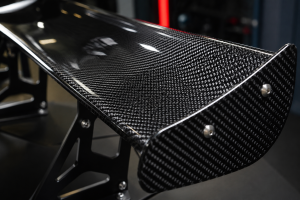
Used luxury-car parts can be especially valuable when the goal is to maintain originality, manage repair costs, or find components that are no longer easy to source new. A trim piece, wheel, carbon fiber element, control module, exhaust component, or body panel may need to match a specific generation, finish, mounting pattern, or option package. Buyers who take the time to verify fitment, condition, and compatibility are usually better positioned to complete repairs cleanly and avoid costly delays. For a broad starting point, shoppers can browse luxury car part categories and compare what types of components are commonly available across performance and exotic vehicles.
How to evaluate used sports car parts
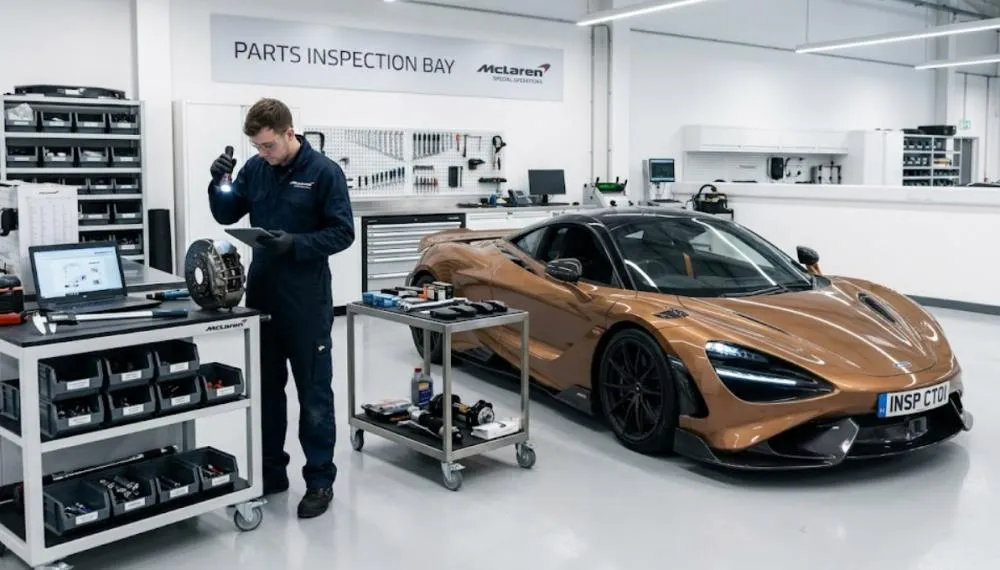
The first step is identifying exactly what you need. Model year alone is rarely enough, especially with performance brands that update brakes, electronics, suspension geometry, exterior styling, and interior finishes across trims and production runs. When sourcing sports car parts, note the VIN, production year, body style, engine, drivetrain, trim level, and any special package that may affect fit. A wheel from one version may look close but have a different offset. A bumper may require different brackets, sensors, ducts, or trim. A carbon fiber part may have a finish variation that matters on a high-end car.
Check fitment first
Fitment should be treated as the foundation of the purchase. Before comparing price or appearance, confirm that the part is intended for the vehicle in question. For B2B buyers, this can be even more important because one mistake may affect a customer repair, a shop timeline, or a resale order. A shop sourcing sports car parts for multiple vehicles should keep a consistent checklist: part number, donor vehicle, side, position, hardware requirements, and visible condition. Photos can help, but part numbers and compatibility details are what reduce uncertainty. If there is any doubt, contacting the seller before ordering can save time; buyers can use the contact page to ask about a specific item or fitment question.
Review condition carefully
Condition matters differently depending on the component. A used wheel may need inspection for bends, cracks, curb rash, and finish quality. A body panel may need review for dents, broken tabs, paint condition, and mounting points. Interior pieces may need close attention to leather wear, stitching, switches, clips, and color matching. Electronic parts should be evaluated for compatibility and whether coding or programming may be required. The best approach is not to expect used sports car parts to be cosmetically identical to new parts, but to understand what level of condition is acceptable for the job. For some repairs, a clean used OEM component is exactly what is needed. For concours-level restorations, the standard may be much higher.
Popular categories for performance repairs
Different buyers prioritize different categories. A private owner may be looking for a wheel, mirror, grille, spoiler, seat, or lighting component after a minor incident. A body shop may need bumpers, fenders, hoods, doors, brackets, radiators, or underbody panels to complete a collision repair. A performance specialist may search for suspension pieces, brake components, exhaust parts, carbon fiber trim, cooling parts, or engine accessories. The phrase sports car parts covers a wide range of needs, but the most successful buyers usually search with a specific component and brand in mind.
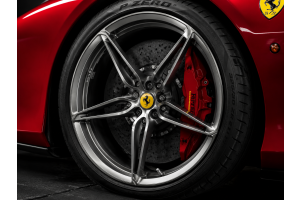
Brand context is important because luxury performance vehicles are not interchangeable. Ferrari buyers may be focused on originality, finish, and low-volume components, so the Ferrari parts section is a logical place to begin. Maserati owners and shops may need parts that balance premium appearance with everyday drivability, making the Maserati parts section relevant for repairs and maintenance. Lamborghini components often involve aggressive body styling, carbon fiber details, and model-specific assemblies, so the Lamborghini parts section can help narrow the search. Bentley parts may involve luxury finishes, interior detail, and large body components, which makes the Bentley parts section useful for buyers focused on comfort and craftsmanship as much as performance.
Used parts and dismantled vehicles
One reason used sports car parts can be attractive is that they may come from vehicles being professionally dismantled. A dismantled vehicle can provide many components that still have practical value, from exterior panels and lighting to interior trim, wheels, suspension, and mechanical assemblies. This is especially useful in the luxury and exotic segment, where certain parts may be expensive, delayed, discontinued, or difficult to locate through ordinary channels. Buyers can review dismantled vehicles when they want to understand what donor vehicles may be available as potential sources.
There is also a sustainability angle. Reusing suitable components can reduce waste and extend the useful life of well-engineered parts. That does not mean every used part is right for every job. Safety-critical components, electronics, drivetrain pieces, and structural parts should always be evaluated with extra care. Still, for many repairs and cosmetic restorations, a quality used component can be a smart, responsible, and visually accurate solution. This is where sports car parts serve both the emotional and practical sides of ownership: the vehicle gets back on the road, the design remains authentic, and the buyer may avoid unnecessary overbuying.
Buying tips for b2c and b2b shoppers
For individual owners, the goal is often confidence. You may not buy parts every week, so the process should be methodical: identify the exact part, compare photos, verify compatibility, and ask questions before purchasing. For B2B buyers, speed and repeatability matter. A shop or reseller may need to source sports car parts on a deadline, coordinate with technicians, and reduce the risk of returns. In both cases, the strongest buying habits are the same. Keep records. Confirm part numbers. Look closely at photos. Understand whether additional hardware, coding, paintwork, or installation labor will be needed. Do not judge a component by price alone, because a cheaper part that does not fit can become the most expensive option.
Search behavior also matters. Start broad when researching, then narrow the query. For example, a buyer looking for carbon fiber wheels, trim, or exterior accents can use the site search with a focused query such as sports car parts, then adjust the wording based on the exact component needed. A search for “carbon fiber wheel,” “front bumper,” “driver mirror,” or “Ferrari diffuser” may lead to more relevant results than a general browse. The more specific the search, the easier it becomes to evaluate the available options.
Think beyond the part price
The listed price is only one part of the decision. A buyer should also think about paint, refinishing, programming, shipping, installation time, and whether the part prevents a vehicle from sitting unfinished. This is especially true for high-end cars, where delays can be costly for shops and frustrating for owners. A clean used OEM component that arrives ready for inspection may be more valuable than a cheaper alternative that needs extensive correction. When evaluating sports car parts, think in terms of total project cost, not just the initial transaction.
Final thoughts on sourcing with confidence
The right sourcing strategy combines aspiration with discipline. Luxury performance cars create emotion, but good parts buying requires details: fitment, condition, compatibility, and realistic expectations. Whether the project is a weekend repair, a professional collision job, a restoration, or a resale opportunity, used sports car parts can help preserve the identity of the vehicle while keeping the process more practical. Start with the correct brand and category, review available dismantled vehicles when relevant, and ask for clarification before ordering when a detail is uncertain. That careful approach helps buyers protect the car, the budget, and the experience that makes owning or working on a sports car worthwhile.